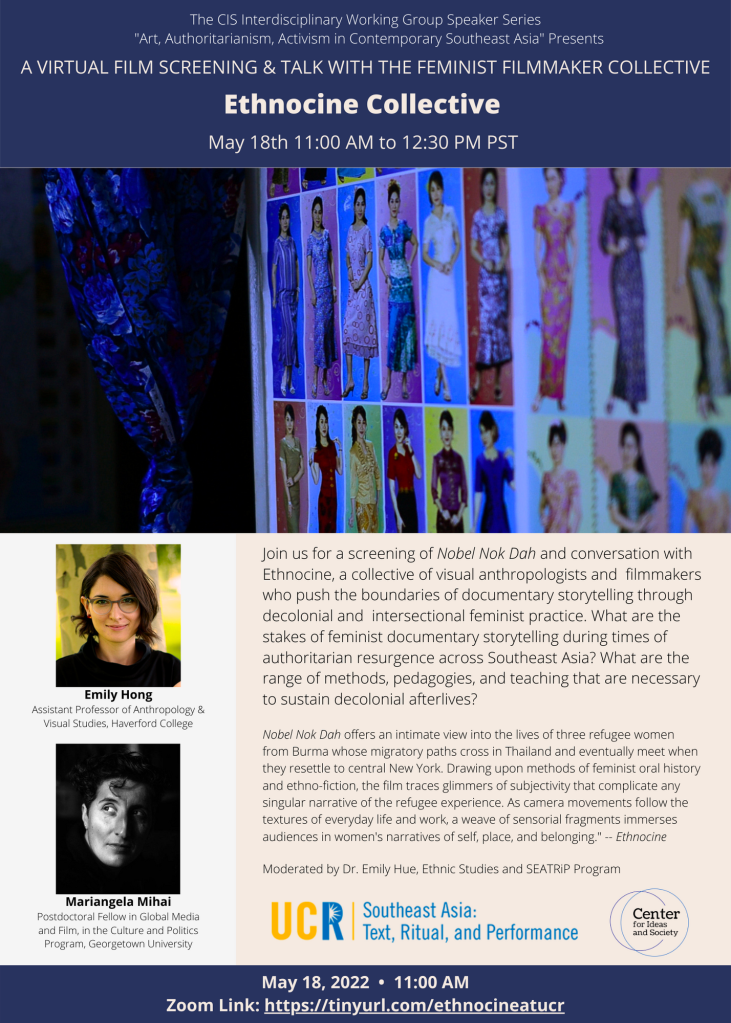
University of California Riverside’s CIS Interdisciplinary Working Group Speaker Series “Art, Authoritarianism, Activism in Contemporary Southeast Asia” Presents A VIRTUAL FILM SCREENING & TALK WITH THE FEMINIST FILMMAKER COLLECTIVE May 18th 11:00 AM to 12:30 PM PST
2022 CAORC – INYA Short Term Fellowships for U.S. Graduate Students Conducting Field-Based Research on Myanmar/Burma in a Third Country
Application deadline extended to June 17, 2022 (11:59 PM EST)️
Fellowships awards from $2,400 to $4,400 for a maximum of 4 months
The Inya Institute announces the 2022 CAORC-INYA Short Term Fellowships competition for research that will contribute to studies on Myanmar in any aspect of its wide linguistic, cultural, religious, and ethnic diversity and to a better understanding of the country’s past or present political and socio-economic situation. Applicants must be U.S. Graduate Students currently enrolled in a graduate program (Master’s or Doctoral level) at an institution of higher education in the U.S. or elsewhere.
For all of you graduate students and post-docs out there, don’t forget that 1 June 2022 is the deadline for BSG’s new paper prize. See here for more details.
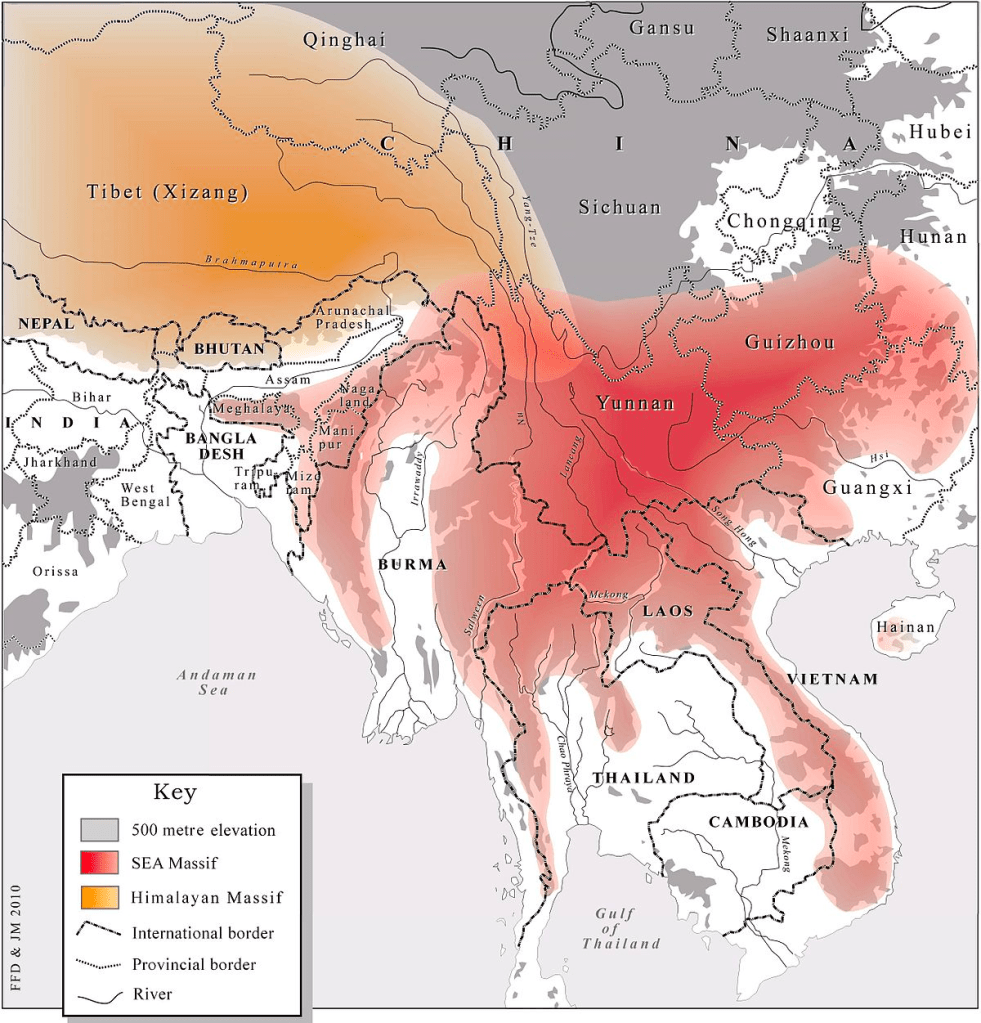
This week in New Pubs we feature an edited volume on zomian boderlands, with chapters by Cederlof, Pachuau, Möller, and Tharaphi Than and Htoo May; then Bagh and Das on how political economy impacts the security of religious minorities in Bangladesh and Myanmar; last but not least, Suante writes on the history and politics of schooling in Myanmar.
This week we will put all the citations here (because there are so many); see our Recent Publications page for abridged citations and for all of the citations in past weeks.
As most of us don’t live in Heidelberg, this post is mostly a *pre* Future Pub announcement for Beyer’s book that will be out at the end of 2022 (hopefully).
We have one exciting event on our calendar this week – Dipannita Maria Bagh, of North-Eastern Hill University (Shillong, India) will talk about “India’s Approach to the Myanmar Crisis,” at ANU’s MRC 2022 Dialogue Series. Register here.
But after that… the cupboard is bare! Please let us know about upcoming talks or events so we can promote them here.
Online via Zoom | Call for Panels and Papers – extended deadline, 27 May 2022 | email proposals to: aseasconference2022@gmail.com
“ASEAS(UK) invites scholars and PhD students from all academic disciplines to submit panels or papers on any research topic within the field of Southeast Asian Studies.” see below for website:
In linguistic anthropology, there is a theory called “linguistic relativity” (often described through the so-called Sapir-Whorf hypothesis, which never actually was advanced by either Sapir or Whorf, tbf) that holds that there is a recursive relationship between cognition/culture and language. Meaning that if your language is shaped a certain way, you will think about the world in a certain way; that if you and your kind think about the world in a certain way, your language may eventually come to reflect it. So, as an example, if your language has a strongly grammatically marked future tense, you may think about the future in different ways than languages that do not.
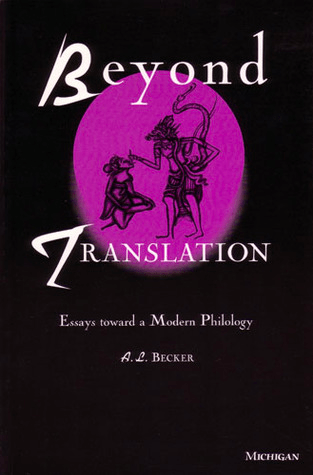
Anyway, A.L. Becker’s obscure writings on Burmese language probably could be described as taking the ling relativity hypothesis too far, but they are nonetheless pretty fascinating as suggestion rather than science: compelling us to open up our eyes to the way that language may operate on thought.
 Application deadline extended to June 17, 2022 (11:59 PM EST)️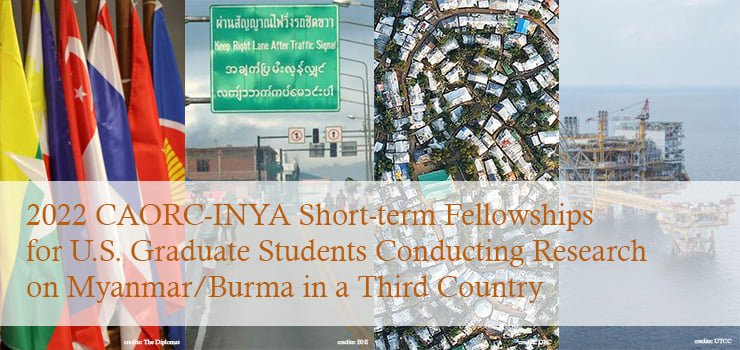


 Burma Studies Group