Event: Protest and Digital Repression: Repercussions and Pushback in Myanmar and Thailand (28 June)

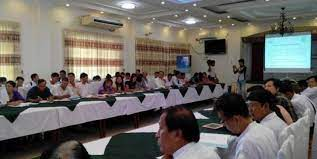
ISEAS Webinar by Thailand & Myanmar Studies Programmes
Time: 3.00 pm to 4.30 pm (Singapore time)
register here.
About the Webinar: Recent protest movements in both Myanmar and Thailand have met with digital repression meant to deter or curb the movements’ activities and to undermine their support. In an era when on- and off-line mobilization frequently intersect, that repression has been instrumental in attempts to suppress pro-democracy activism. In Myanmar, online campaigning against the State Administration Council regime that seized power in February 2021 has been met with Internet shutdowns, blocking and removal of online content, and digital surveillance. Ownership changes in the telecommunications sector threaten to increase the junta’s control of the Internet. In Thailand, military-backed regimes have long blocked contentious online content, weaponised computer-related lawsuits against dissidents, consolidated surveillance infrastructure, and deployed cyber troops to manipulate social media. Digital repression has intensified in the aftermath of the country’s 2020-2021 youth-led protests. This webinar will address digital repression in Myanmar and Thailand, the intertwining of digital and traditional approaches to repression, and its impact on protest movements. It will consider how Myanmar and Thai protest movements have countered regime efforts to stifle digital activism.
Thinzar Shunlei Yi is a democracy activist and human rights defender. The first woman coordinator of Myanmar’s National Youth Congress and a two-term president of the Yangon Youth Network, she is the advocacy coordinator for the Action Committee for Democracy Development, a coalition of twelve community-based social and political networks established in 2013 to build a democratic federal state in Myanmar. Until January 2021, Thinzar was a host of “Under 30 Dialogue”, an online advocacy platform for young people in Myanmar broadcast on Mizzima TV. With Guillaume Pajot, she is co-author of “Mon combat contre la junte birmane”, published in December 2021. 

Janjiira Sombatpoonsiri is Visiting Fellow in ISEAS’s Media, Technology and Society Programme; Assistant Professor and Project Leader at the Institute of Asian Studies, Chulalongkorn University, Bangkok; and an associate at the German Institute for Global and Area Studies. Her research focuses on nonviolent activism and civic space in the context of democratization and autocratization and on digital repression. She is the author of Humor and Nonviolent Struggle in Serbia (Syracuse University Press, 2015) and editor of the journal PROTEST. Her affiliations included membership of the Digital Democracy Network of the Carnegie Endowment for International Peace.
credit: TeaCircle

Deep Cuts #22: The Rebel of Rangoon

This is one of the most underrated books on activism in Burma – not sure why it has not received more attention. Perhaps because the author is a journalist rather than a minted PhD, and hence the book did not make it onto the radar of academics? It’s a shame, because it is a fantastic account of activism under the regime and during the early transition period.

The PDF of the proofs version is on our page (there are some geographical errors that got cleaned up in copy editing phase). It’s the only copy I have, but if anyone else has a better copy to brazenly pirate, because we are equal opportunity like that, please do share.

CFP: Southeast Asian Mental Health accepting abstracts for the 𝟐𝟎𝟐𝟐 𝐁𝐢𝐞𝐧𝐧𝐢𝐚𝐥 𝐂𝐨𝐧𝐟𝐞𝐫𝐞𝐧𝐜𝐞 (𝐒𝐞𝐩𝐭𝐞𝐦𝐛𝐞𝐫 𝟏𝟎-𝟏𝟏, 𝟐𝟎𝟐𝟐, 𝐨𝐧𝐥𝐢𝐧𝐞).

Authors are encouraged to submit abstracts on the meeting theme—”𝐀𝐝𝐯𝐞𝐫𝐬𝐢𝐭𝐲 𝐚𝐧𝐝 𝐑𝐞𝐬𝐢𝐥𝐢𝐞𝐧𝐜𝐞”—and current and emerging mental health issues in Southeast Asia. Empirical (qualitative, quantitative, mixed-method), theoretical, and clinical case studies are welcomed.

All oral presentations are considered for a prize if the papers are submitted full-text (5000-8000 words) before the conference. Prizes consist of 𝐦𝐞𝐧𝐭𝐨𝐫𝐬𝐡𝐢𝐩 on polishing and publishing the paper and 𝐭𝐫𝐚𝐯𝐞𝐥 𝐟𝐮𝐧𝐝𝐬 (flight, hotel, visa) to an approved scientific conference in their discipline.

𝐒𝐮𝐛𝐦𝐢𝐭 𝐲𝐨𝐮𝐫 𝐚𝐛𝐬𝐭𝐫𝐚𝐜𝐭 𝐡𝐞𝐫𝐞: https://seamentalhealth.com/submit-abstract

Deadline: 𝟑𝟎 𝐉𝐮𝐧𝐞, 𝟏𝟏:𝟓𝟗 𝐩𝐦 (GMT+7)

Recent Pubs, 13 June

This week in New Pubs we feature a number of scholars of South Asia discussing the position of Burma in their sub-region; David et al on the way ethnic relations have improved post-coup; and Cheesman with a historical study of the penal colony in the Coco Islands (if I’m not mistaken, vernacular Burmese for “life sentence” is တစ်သက်တစ်ကွန်းပြစ်ဒဏ် – “punishment of life on an island”).

As always, see our Recent Publications page for all of the citations and for past weeks.

Deep Cuts #21 Burmanization (4 of ?) – Can’t spell “Miscegenation” without “nation”: Mixed Race Problems (ကပြားပြဿနာ)

Last week’s DC featured Nemoto’s complication of the Do-Bama (see here). We complement that article this week with a book from the same era, Pu Kalay’s Kabya Pyetthana (Mixed-Race Problems), which identifies the risk to the nation of miscegenation. While the title implies the perils of all racial intermixing, this book only zeroes in on the unions between Burmese and South Asians (the introduction by U Hla encourages a broader treatment in the future). Even with this narrow remit, when read deconstructively, kabya acts as a kind of diagnostic, throwing into relief the way that racial systems are understood by those who live in them (or at least write about them).

As long as we are on the theme of kabya, we might re-examine Deep Cuts #14, which featured the entire Burmese Lives volume. In there Ma Thida (Sanchaung) has an essay entitled “A Mixed Identity, a Mixed Career,” in which she discusses her own Shan / Chinese background and the way it becomes irrelevant for her as she thinks of herself “as a citizen of Burma, not as any ethnic nationality” (206). We might compare this with Sai Kheunsai (DC #12) who had a very different experience with his Shan-ness.

See here for PDFs.

Event: Nicholas Ross, “Interpreting the role of ideology in Myanmar’s revolutionary situation” (14 June)

12.30-2.00pm AEST

Abstract: When Myanmar’s military deposed a semi-civilian government about to resume office in February, 2021, after an election the previous November, some observers viewed this as taking the country back into an all-too familiar pattern of autocracy, disciplined democracy, and resistance. However, resistance to this coup has been on a scale, diversity and intensity that has not been seen in Myanmar’s recent history. Armed opposition groups have risen throughout the country, and fighting has penetrated areas that had for decades been firmly under central government control. The exiled National Unity Government has, in another break with the past, declared a people’s “defensive war”, a war that for many participants and supporters is revolutionary. Taking seriously the claim that the resistance to the February 2020 coup in Myanmar is a revolution, my question for this thesis proposal seminar is: how do people resisting military dictatorship in Myanmar construct and experience revolutionary ideology? The question has two parts. First, how are ideological possibilities limited and expanded in revolutionary situations? Second, how does ideology animate political action or inaction in revolutions—and what does attention to it reveal of revolutionary practice more generally? The study of revolutions has tended to take ideology as either a fixed identity marker for individuals and factions, or an epiphenomenon of structural conditions. Instead, I want to consider how in, a revolutionary situation, ideologies are transformed from within – and explore whether this process of ideological realignment may be the distinctive development that makes revolution possible. This will allow me to attend to certain epistemic and strategic questions that confront revolutionary projects: namely, how do those involved recognize a revolutionary situation when it emerges, and how do they recognize what strategies and tactics are thinkable? In this seminar, in addition to giving an overview the major developments in Myanmar since the coup, I will discuss the significance of my research question, and outline my proposed theoretical and methodological approaches to this inquiry into revolutionary ideology, data generation strategies and methods, research sites, and ethical and security considerations.

Zoom here.

CFP (Call for Photo reflections): အလင်းပေါက်များမှတဆင့် / Through the Light Holes (Aruna Global South)

အာရုဏနှင့် မြန်မာ့ဓါတ်ပုံမော်ကွန်းတို့က ပူးပေါင်းပြီး မြန်မာ့ဓါတ်ပုံဟောင်းများကို အခြေခံပြီး လူထုအတွေးအခေါ် အ‌ရေးအသားများကို ဖိတ်ခေါ်လိုက်ပါသည်။ စာရေးသူ၊ ကဗျာရေးသူ၊ ပညာရှင်များ၊ မော်ကွန်းသုတေသနပညာရှင်များ၊ အနုပညာရှင်များနှင့် မြန်မာပြည်အကြောင်း စိတ်ဝင်စားသူများနှင့် မြန်မာပြည်နှင့် ပတ်သက်ဆက်နွယ်နေသူများ မည်သူမဆို အကြောင်းအရာအလိုက် စုစည်းထားသော မြန်မာဓါတ်ပုံဟောင်းများအပေါ် တွေးမြင်ခံစားချက်များကို မိမိကြိုက်နှစ်သက်ရာ မီဒီယန်၊ နည်းလမ်းများအလိုက် တွေးခေါ်သုံးသပ်ပေးရန် ဖိတ်ခေါ်လိုက်ပါသည်။ ဤတွေးခေါ်ချက်များသည် ပညာရှင်ဆန်ကောင်း ဆန်နိူင်သလို ကိုယ်တွေ့ အတွေ့အကြုံများပေါ်မှာလည်း မူတည်နိူင်ပါသည်။ 

အတွေးအခေါ်များကို စတင်ရန် လွယ်ကူစေကြောင်း ဓါတ်ပုံများနှင့်တကွ မေးခွန်းအချို့ကိုပါ ထည့်သွင်းပေးထားသော်လည်း ဤမေးခွန်းများကိုသာ သုံးသပ်စေရမည် မဟုတ်ပါ။ မိမိ ကြိုက်နှစ်သက်ရာ၊ စိတ်ဝင်စားရာများကို မိမိစိတ်ဝင်စားရာ ခေါင်းစဥ်အလိုက် ဖြန့်ကျက်စဥ်းစားစေလိုပါသည်။ 

Aruna Global South partnering with Myanmar Photo Archive calls for public reflections on a series of photographs in the Myanmar Photo Archive. Writers, poets, scholars, archivists, artists, thinkers with interests in and kinship to Myanmar are welcome to think alongside and beyond a series of images and produce a reflection in a medium and method of their choice (such as film, poetry, sound, photography, and more). Reflections can be scholarly and/or personal. A series of prompt questions are provided to give the contributors a starting point. They are by no means the only answers that we are looking for. We strongly encourage the contributors to use the photographs and prompts as a jumping point to engage with and reflect on each theme. 

For more information, see here.

For more on Myanmar Photo Archive, see here.

copyright: Aruna Global South