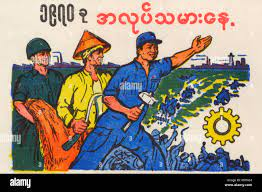
This fortnight features an article that conducts an efficient assessment of the BSPP’s socialist credentials. Authors Fenichel and Khan find a surprising amount of state absence for a so-called socialist state: “public ownership is largely absent in the dominant agricultural sector and does not affect about 80% of the labour force in industry” (821), which remained effectively in private hands. Outcomes for health and food security were not terrible, but perhaps this is because the state lacked ambition.
Fenichel, Allen, and Azfar Khan. “The Burmese way to ‘socialism’.” World Development 9.9-10 (1981): 813-824.
“Memories of Leaving the Myanmar Military” [vol 1, Aug 2022, Independent Journal of Burmese Scholarship], printed and published in Burmese and English by Wanida Press with the Regional Center for Sustainability and Development, Chiang Mai University, includes a remarkable number of contributors:
Helene Maria Kyed, Michael Charney, Moe Nyo, Nwe Oo, Yay Khal, Zwe Man, Yin Le Le Tun, Hla Min Kyaw, Aung Zaya, Thuza Lwin, Cherry, Aung Ko Ko, Aung Myo Thant, Kaung Htet Aung, Moe Zet, Master Black, Htin Shar, Phyo Win Aung, Ye Yint Thwe, Htet Naing Aung
ချင်းမိုင်တက္ကသိုလ်ရှိ Regional Center for Sustainability and Development နှင့် Wanida Press တို့ မှ ပုံနှိပ်ထုတ်ဝေသည်။ စာစောင်အပြည့်အစုံ၏ PDF ဖိုင်ကို ဤနေရာတွင် ရယူနိုင်ပါသည်။ သို့မဟုတ် ဆောင်းပါးတစ်ပုဒ်ချင်းစီ၏ PDF ဖိုင်များနှင့် HTML စာသားများ အပြည့်အစုံကို အောက်တွင် ကြည့်ရှုနိုင်ပါသည်။
This week’s New Pubs features three essays in the ANU’s Myanmar Research Center’s “New Working Paper Series”: Tin Maung Hwe on worker movements during the revolution; Saw Chit Thet Tun on PDFs and their relationship to the NLD; and Lwin MM Swe on the relationship between climate-change mitigation policies and federalism.
Join a free, public course given by NUS Assistant Professor Elliott Prasse-Freeman on the way that language (and other signs) influence behavior and politics, with special application to Myanmar issues (Burmanization in particular).
Time: Monday 5 September at 1:00pm Myanmar, and ensuring Mondays.
As the Deep Cuts series crosses the half-year threshold, we wanted to clarify its goals. Because its texts emerge from the Burma Studies reading history and intellectual interests of one person, they are inevitably partial. Deep Cuts has featured a lot more anthropology than art history, for instance. This runs the risk of framing what Burma Studies “is” or should be, at least to the limited extent of what is featured on this website. This is not the intention. And so this note is to encourage contributions from the community that would diversify the cuts. Please send to (soceep [at] nus.edu.sg) your ideas, hopefully with a short blurb describing the text and why it’s important, and let us know if you would like your name featured or not.
see here for the cuts, which will go to a bi-weekly format from now on.
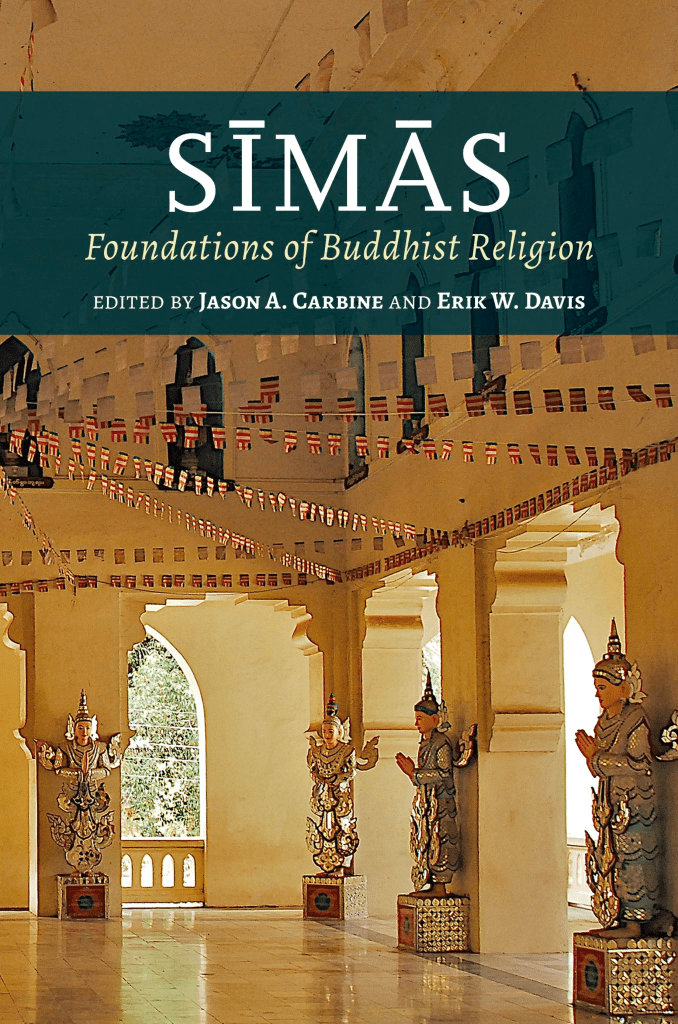
This week’s New Pubs features two essays from the recently released Simas: Foundations of Buddhist Religion, edited by Carbine and Davis, and then an article by Roberts on secular and religious influences on neighborhood construction in Mandalay.
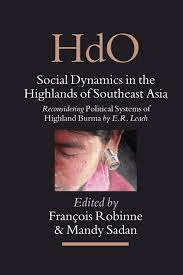
François Robinne and Mandy Sadan, co-editors of a 2007 volume reappraising Edmund Leach’s Burma work, have a concluding essay that applies the concept of ‘transethnicity’ to Myanmar. They use the concept to destabilize the analytical primacy of the ethnolinguistic group through a pincer move wrought by two different scalar reorientations. First, they consider the broader social systems in which many ethnic groups interact (“transethnicity may refer to a somewhat arbitrarily defined area in which a social system exists, whatever may be the ethnic diversity of that area” (300), a reorientation which also allows them to get “below” the ethnic group to stress that often the relationships that matter “are not between ethnolinguistic subgroups, but between villagers and partners, whose exchanges and networks contribute to the establishment of social cohesion, albeit an unstable cohesion, in a multi-ethnic landscape” (304).
And it’s only 11pp long, with a map!
Robinne, François and Mandy Sadan, “Postscript: Reconsidering the dynamics of ethnicity through Foucault’s concept of ‘spaces of dispersion’” in Robinne and Sadan eds Social dynamics in the highlands of Southeast Asia: Reconsidering political systems of highland Burma by ER Leach. Brill, 2007.
Since Myanmar’s military leaders staged a coup on 1 February 2021, an estimated 10,000 soldiers and police officers have defected by joining the ‘people’s side’ in opposing military rule. These defectors refuse to be complicit in the violent crackdowns and killings of civilians by the military. Arguably, the number of defectors is low compared to the estimated 300-350,000 strong Myanmar military, and so far, there are no signs that the defections have changed the military leaders’ course of action. Nonetheless, defections constitute a significant symbolic blow to the military’s internal coherence and legitimacy. Also, the degree to which defectors have organised themselves and aligned with the anti-coup, pro-democracy opposition to the military is unprecedented in Myanmar’s long history of military rule. Based on online sources, interviews and historical analysis of the Myanmar military, this presentation discusses the motivations behind as well as the obstacles to defections.
About the speaker: Helene Maria Kyed, senior researcher and research unit leader, DIIS, Copenhagen. Anthropologist by training, Helene Maria Kyed has done research on security and justice related issues in Mozambique, Swaziland, and Myanmar, focusing on theoretical questions of violence, sovereignty and legal pluralism.





 Burma Studies Group