This week’s New Pubs features Stella Naw and Jenny Hedström in conversation about feminism in the spring revolution; Hossain et al on how Rohingya navigate ‘bare life’ in the camps; and Wang et al on Myanmar migrant workers in China’s sugarcane sector.
See our Recent Publications page for all of the citations and for past weeks, and if anyone wants a PDF but is excluded by pay wall, please email us and we will help if we can.
‘In Reproducing Revolution, Jenny Hedström explores the Kachin revolution in Myanmar from the perspective of female soldiers, female activists, and women displaced by the violence in northern Myanmar. Hedström argues that the household is an inherently gendered, militarized, and political space that impacts, and is in turn impacted by, the external conflict with which it coexists. In this context, women’s everyday labor—the gendered work of childcare, farming, fighting, and forging connections both across households and between the household and the army and the nation—is key to revolutionary survival. Hedström calls this labor militarized social reproduction, and in Reproducing Revolution she demonstrates that such labor is critical to the military effort, and that warfare itself is shaped through everyday domestic action.’
This week’s New Pubs features Peng on the enduring legacy of Kokang’s borderland mutinies; Nursyazwani on the value of the ummah for Rohingya refugees; and Tin Maung Htwe on livelihood, remittances, and social capital of Mae Sot’s Myanmar migrants.
See our Recent Publications page for all of the citations and for past weeks, and if anyone wants a PDF but is excluded by pay wall, please email us and we will help if we can.
This week’s New Pubs features Jefferson and Sinwa Naw on the consequences of penal repression on political action in Myanmar; Myint Than on the impacts of cement production development projects in Mon state; and Su Mon Thazin Aung on the Kachin and post-coup territorial self-governance.
See our Recent Publications page for all of the citations and for past weeks, and if anyone wants a PDF but is excluded by pay wall, please email us and we will help if we can.
Su Mon Thant is an expert in conflict dynamics and democracy in Asia. She works as an Asia-Pacific Senior Analyst for the international organisation Armed Conflict Location and Event Data (ACLED) where she has worked since 2021. She holds an MA in Politics and International Relations from Keele University (UK) and has researched Myanmar’s politics and society for over a decade, including as an accredited observer of the 2015 and 2020 Myanmar elections. She is currently a Myanmar-Australia Visiting Fellow, supported by the University of Melbourne Myanmar Research Network and the ANU Myanmar Research Centre. Her fellowship is also partly supported by the University of Melbourne’s Initiative for Peacebuilding.
This week’s New Pubs features Morton’s book on the region’s pan-Akha identity and ethnic network; South on the “post-Myanmar turn” away from state-centric solutions; and Roewer on how the EU should increase support for Myanmar’s resistance.
See our Recent Publications page for all of the citations and for past weeks, and if anyone wants a PDF but is excluded by pay wall, please email us and we will help if we can.
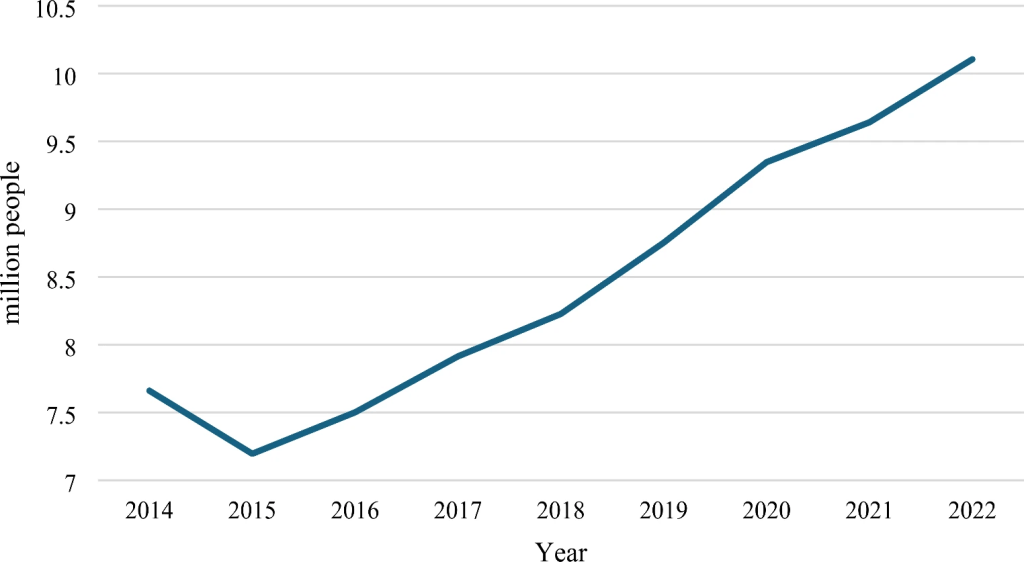
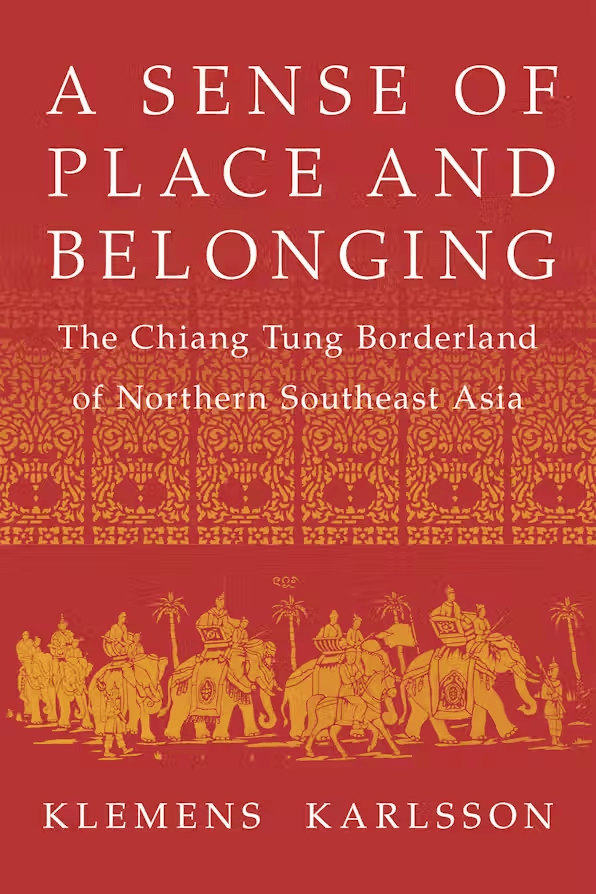
This week’s New Pubs features Karlsson’s book on Chiang Tung borderlands; You and Zhang on how infrastructure on the China-Myanmar border affects migration; and Kolås on Rohingya identity, nationhood, and the census.
See our Recent Publications page for all of the citations and for past weeks, and if anyone wants a PDF but is excluded by pay wall, please email us and we will help if we can.
Damage control: Myanmar’s earthquake and ongoing conflict
MRC Dialogue Series 2025 Date: Tuesday 15 April 2025 Time zone: 5.30–6.30pm AEST, 2-3pm MMT, 9.30-10.30am CEST Zoom – register here
photo: IRC
On 28 March, a devastating 7.7 magnitude earthquake struck Myanmar. Its epicentre was in Sagaing Region and it was followed by multiple powerful aftershocks. Thousands have died and thousands more buildings and infrastructure have been destroyed in what is now recognised as the biggest and most consequential earthquake in Myanmar for more than a century. The worst damage and highest death toll appear to be in Sagaing and Mandalay regions, two areas with strong revolutionary spirit, ongoing armed conflict, near-daily air strikes in civilian areas, and intractable political violence.
The alternative National Unity Government (NUG) and several ethnic armed groups declared temporary ceasefires to allow for quake relief efforts, followed by a ceasefire announcement from the military a few days later—however, air strikes and clashes have continued. Many nations, including neighboring giants China and India, have now sent aid and rescue teams into Myanmar in cooperation with the military dictatorship, and many more countries and groups have pledged humanitarian assistance through international agencies. Lasting ceasefires have followed other natural disasters and humanitarian efforts in the region, such as the devastating tsunami in Aceh, Indonesia. But they can equally do the opposite, such as in Sri Lanka, when a ceasefire broke down after the same tsunami. In military-ruled Myanmar, recent disasters such as Cyclone Nargis have only served the military’s purposes to retain control and weaponize aid.
Will the 2025 temporary ceasefires in the wake of the earthquake lead to opportunities for long-term peace, and serve as a catalyst for political change? Or will they only exacerbate and further complicate the ongoing conflict?
In this seminar, Su Mon Thant argues that the ceasefires are unlikely to de-escalate conflict, let alone create pathways to peace. In fact, other nations’ disaster relief efforts in the country could even strengthen the junta’s international legitimacy, potentially prolonging conflict with the myriad groups and millions of people that still reject military rule in Myanmar and resist the illegal and illegitimate 2021 military coup.
Speaker: Su Mon Thant is an expert in conflict dynamics and democracy in Asia. She works as an Asia-Pacific Senior Analyst for the international organisation Armed Conflict Location and Event Data (ACLED) where she has worked since 2021. She holds an MA in Politics and International Relations from Keele University (UK) and has researched Myanmar’s politics and society for over a decade, including as an accredited observer of the 2015 and 2020 Myanmar elections. She is currently a Myanmar-Australia Visiting Fellow, supported by the University of Melbourne Myanmar Research Network and the ANU Myanmar Research Centre. Her fellowship is also partly supported by the University of Melbourne’s Initiative for Peacebuilding. Chair: Zaw Yadanar Hein
This week’s New Pubs features Lintner’s new book on the coup; Selth on how Myanmar developed its intelligence state; and Takeda on the Kachin Women’s Association of Thailand.
See our Recent Publications page for all of the citations and for past weeks, and if anyone wants a PDF but is excluded by pay wall, please email us and we will help if we can.
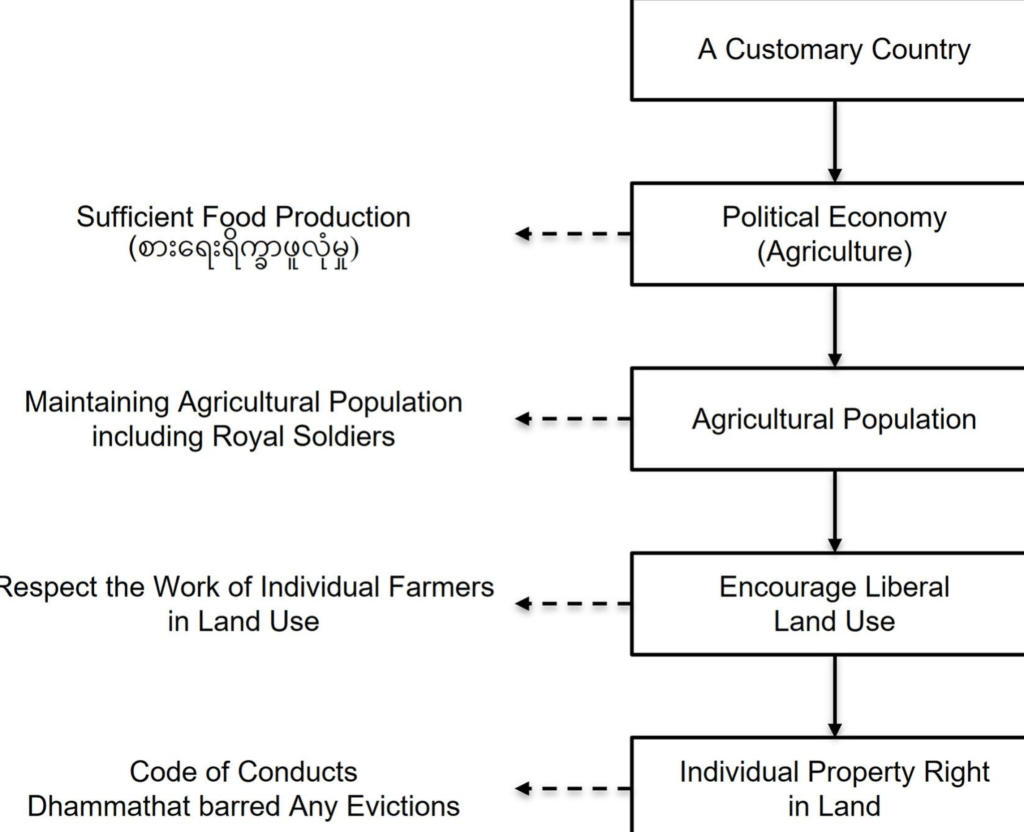
This week’s New Pubs features Phyu Phyu Han et al examining the people-land nexus from the Konbaung to British eras; Décobert and Wells on intermediary humanitarian actors in time of Myanmar’s crisis; and Chophy on how protestant missions transformed the Indo-Myanmar frontier.
See our Recent Publications page for all of the citations and for past weeks, and if anyone wants a PDF but is excluded by pay wall, please email us and we will help if we can.






 Burma Studies Group