The letter circulated on our site here the other day has been published at Tea Circle. Have a look.
Author Archives: burmastudiesgroup
New page on Future Pubs called … Future Pubs
we have a new page devoted to anticipation. See here for new publications coming soon!
And send us your news about new manuscripts, especially after they have a link on a press website. This way we can publicize them (and help them get reviewed, etc.).
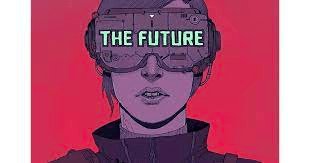
Future Pubs: Gerard McCarthy “Outsourcing the Polity”
(Cornell U Press, 2022 or 2023)

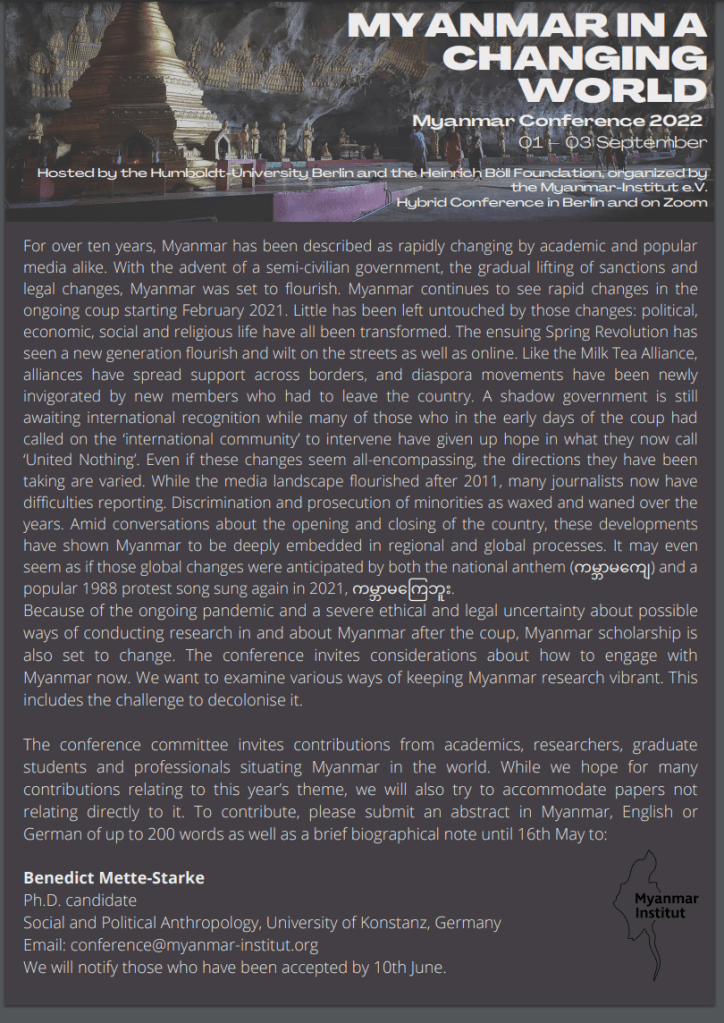
CFP: “Myanmar in a Changing World” (01-03 Sept 2022 | Berlin and zoom); abstracts due 16 May
Myanmar Conference 2022, 01 – 03 September 2022
Hosted by the Humboldt-University Berlin and the Heinrich Böll Foundation, organized by the Myanmar-Institut e.V.
submit to: conference [at] myanmar-institut.org
Recent Pubs, 9 May 2022
This week we feature Foxeus on the relationship between Buddhist sermons and anti-Muslim moral panic; Charney on non-sanguinary warfare before colonialism; and Kyaw Win Tun on the role of English in the construction of identity for Burmese refugees in US schools (open access!). See here for full citations and all the other recent publications.

Action: Open Letter to Institute of Economics and Peace about “Terrorism” in Myanmar
Please see the open letter here that Burma scholars are welcome to sign (https://docs.google.com/…/1pBPFa1W0aod5Q5YnTZuK-E…/edit). It objects to PDF resistance being characterized as “terrorism” by a think-tank called the Institute of Economics and Peace.
The author, David Brenner, adds: “All professional Burma scholars and researchers are more than welcome to sign, including PhD researchers of course.”
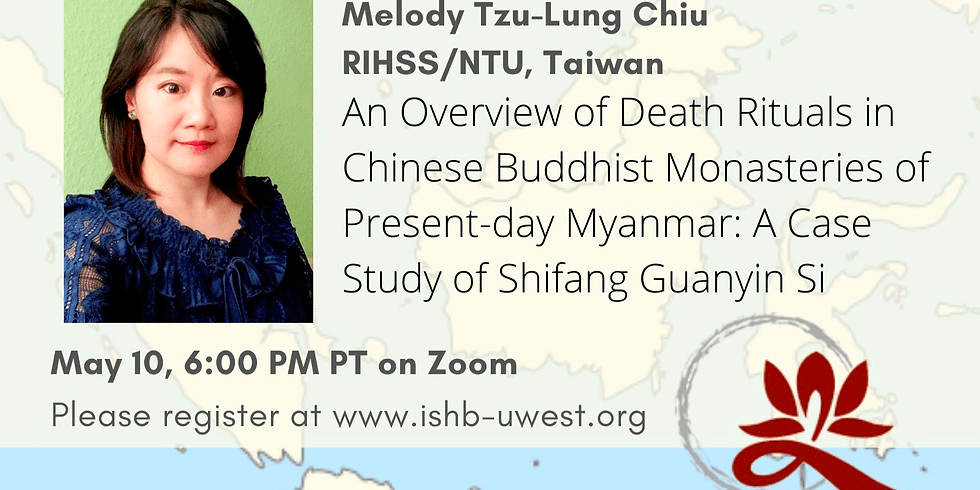
Event: Francesca Chiu, “Unpacking youth struggles, resistance, and cohesion in post-coup Myanmar,” 13 May

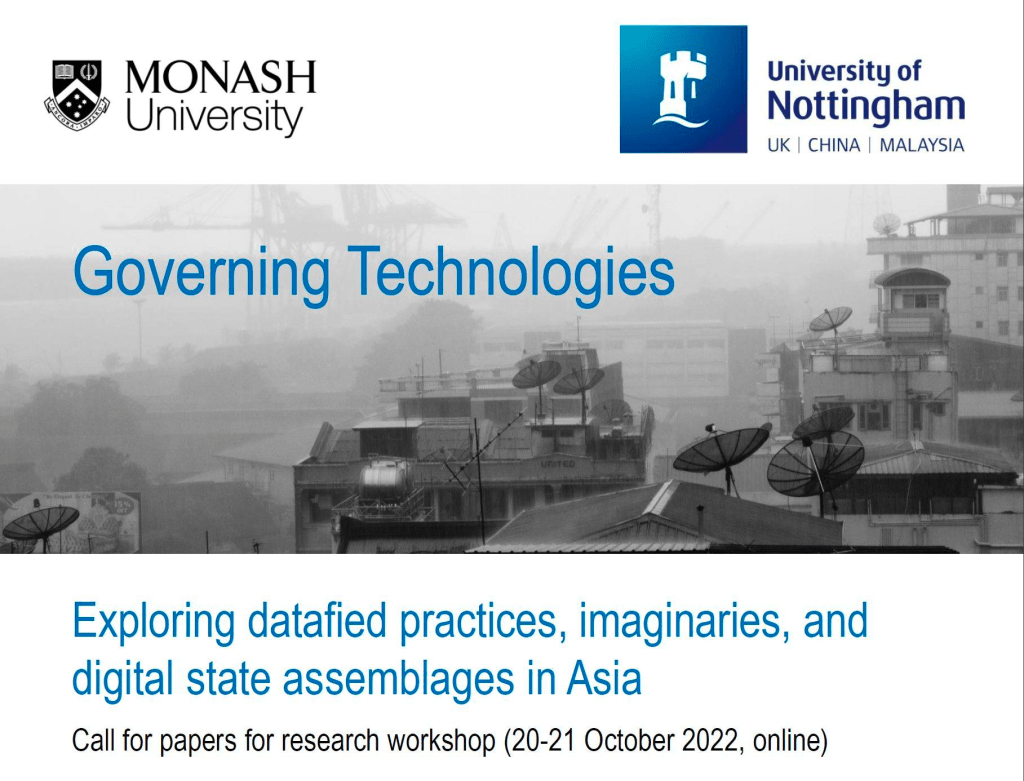
CFP: Tech and Governance in Asia (Monash + Nottingham)
See the call for papers below. I have heard murmurings of interesting digital governance innovations in the Burma space over the last few years – from blockchained identities for Rohingya stateless people to artists making NFTs to support the revolution. I would imagine they would fit nicely here.
The conference is organized by U Nottingham and Monash University Malaysia (which I only bring up so that I can mention that, on a personal note, I long thought that Monash was Malaysia National University [b/c, like, M-Nash]. Apparently that’s not correct, and Monash is actually a city in Australia!)
Please send an abstract of 500 words to governingtechnologies2022@gmail.com by 15 May 2022. Selected paper presenters will be notified by 05 June 2022. Full papers of a maximum of 8,000 words will be due by 31 August 2022.
Deep Cuts #16: Suvannabhumi, a SEA journal with mostly SEA contributors, featuring this week 4 articles by Burmese scholars
This week in DC we feature an entire journal! Some of you will roll your eyes – of course you’ve known about Suvannabhumi for years. Nonetheless, many do not know about it, and given recent discussions about decolonization of SEA (where decolonization is both a metaphor and material – which is actually repetitive, because metaphors are themselves material*), it seems relevant to feature a journal that publishes lots of Myanmar academics, and feature their work.
Included here are just some of the contributions by Burmese scholars in recent years: Kyaw Minn Htin’s study on the Marma, what he identifies as a “de-Arakanized” Chittagong Hill Tract Community; Nanda Hmun on the role of women in Bagan sculpture; Zaw Lynn Aung’s study of the mahasammata model of Kingship in the Mrauk U period; and Myo Oo on conceptions of time, and how they intersected historically with social class and Buddhist traditions. Let this also act as a chance to hype future features of Myo Oo (on Anyatha) and KMT (on Rakhine identity) in coming weeks.
see here for PDFs.
[* h/t to Ros Morris by way of Geoff Myint ]
 Burma Studies Group