3pm – 4:30pm (Sg) | Details here
for our calendar of events, see here.

Han Htoo Khant Paing and Richard Roewer. “Fighting the Fear: The Execution of Members of Myanmar’s Opposition Must be Stopped.” The Diplomat, 7-June-2022.
A Rockstar Dies in the Myanmar Jungle by Jacky Ahn Yang and Naomi Gingold from the new Asia storytelling podcast Not the Cat.

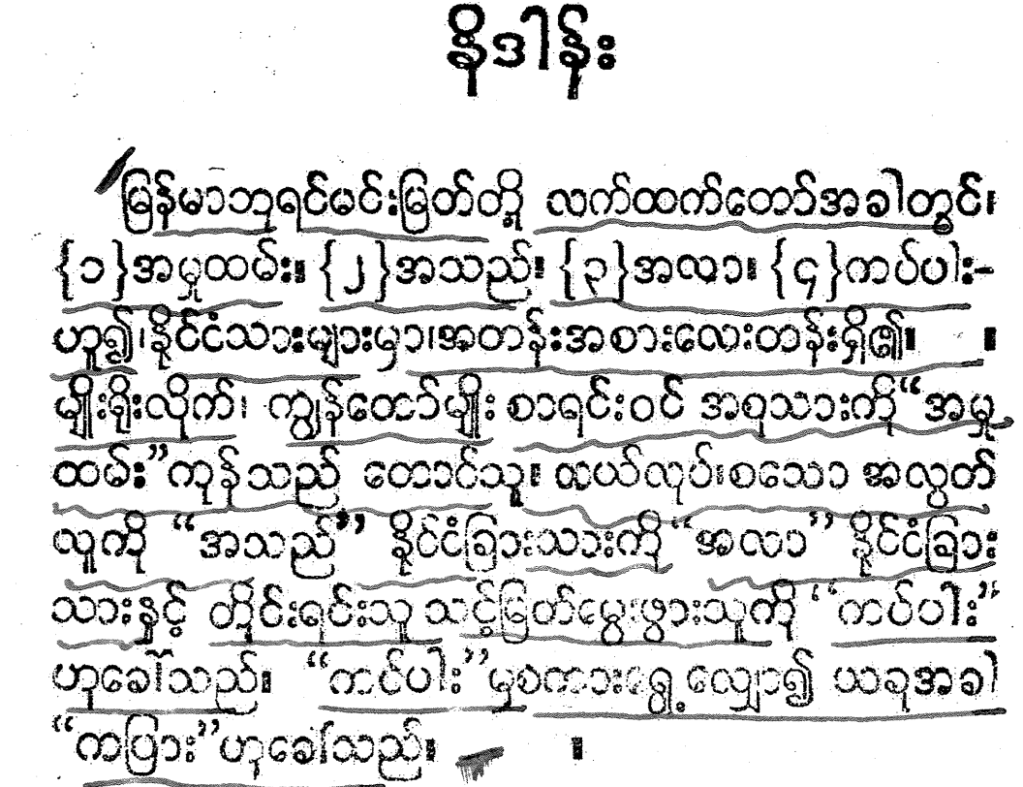
Last week’s DC featured Nemoto’s complication of the Do-Bama (see here). We complement that article this week with a book from the same era, Pu Kalay’s Kabya Pyetthana (Mixed-Race Problems), which identifies the risk to the nation of miscegenation. While the title implies the perils of all racial intermixing, this book only zeroes in on the unions between Burmese and South Asians (the introduction by U Hla encourages a broader treatment in the future). Even with this narrow remit, when read deconstructively, kabya acts as a kind of diagnostic, throwing into relief the way that racial systems are understood by those who live in them (or at least write about them).
As long as we are on the theme of kabya, we might re-examine Deep Cuts #14, which featured the entire Burmese Lives volume. In there Ma Thida (Sanchaung) has an essay entitled “A Mixed Identity, a Mixed Career,” in which she discusses her own Shan / Chinese background and the way it becomes irrelevant for her as she thinks of herself “as a citizen of Burma, not as any ethnic nationality” (206). We might compare this with Sai Kheunsai (DC #12) who had a very different experience with his Shan-ness.
See here for PDFs.
12.30-2.00pm AEST
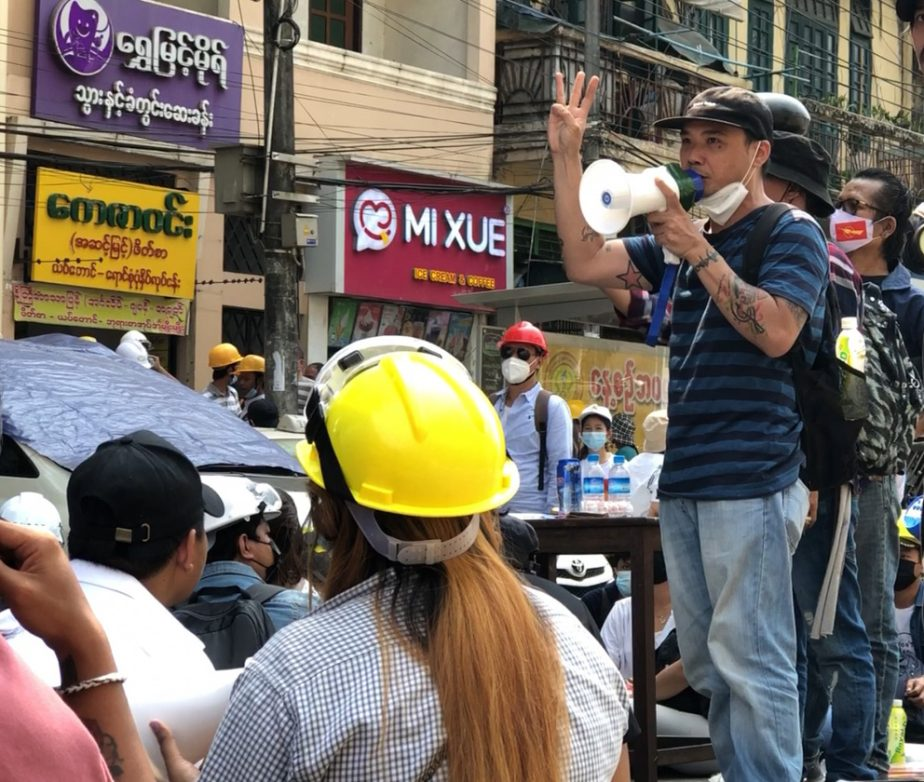
Abstract: When Myanmar’s military deposed a semi-civilian government about to resume office in February, 2021, after an election the previous November, some observers viewed this as taking the country back into an all-too familiar pattern of autocracy, disciplined democracy, and resistance. However, resistance to this coup has been on a scale, diversity and intensity that has not been seen in Myanmar’s recent history. Armed opposition groups have risen throughout the country, and fighting has penetrated areas that had for decades been firmly under central government control. The exiled National Unity Government has, in another break with the past, declared a people’s “defensive war”, a war that for many participants and supporters is revolutionary. Taking seriously the claim that the resistance to the February 2020 coup in Myanmar is a revolution, my question for this thesis proposal seminar is: how do people resisting military dictatorship in Myanmar construct and experience revolutionary ideology? The question has two parts. First, how are ideological possibilities limited and expanded in revolutionary situations? Second, how does ideology animate political action or inaction in revolutions—and what does attention to it reveal of revolutionary practice more generally? The study of revolutions has tended to take ideology as either a fixed identity marker for individuals and factions, or an epiphenomenon of structural conditions. Instead, I want to consider how in, a revolutionary situation, ideologies are transformed from within – and explore whether this process of ideological realignment may be the distinctive development that makes revolution possible. This will allow me to attend to certain epistemic and strategic questions that confront revolutionary projects: namely, how do those involved recognize a revolutionary situation when it emerges, and how do they recognize what strategies and tactics are thinkable? In this seminar, in addition to giving an overview the major developments in Myanmar since the coup, I will discuss the significance of my research question, and outline my proposed theoretical and methodological approaches to this inquiry into revolutionary ideology, data generation strategies and methods, research sites, and ethical and security considerations.

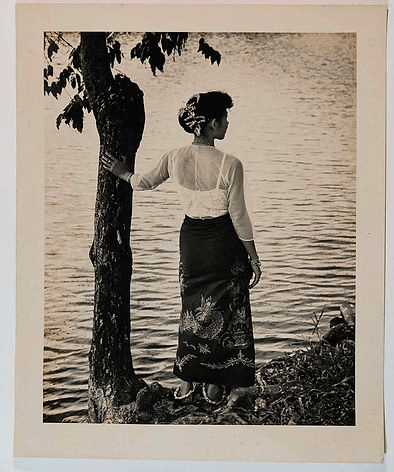
အာရုဏနှင့် မြန်မာ့ဓါတ်ပုံမော်ကွန်းတို့က ပူးပေါင်းပြီး မြန်မာ့ဓါတ်ပုံဟောင်းများကို အခြေခံပြီး လူထုအတွေးအခေါ် အရေးအသားများကို ဖိတ်ခေါ်လိုက်ပါသည်။ စာရေးသူ၊ ကဗျာရေးသူ၊ ပညာရှင်များ၊ မော်ကွန်းသုတေသနပညာရှင်များ၊ အနုပညာရှင်များနှင့် မြန်မာပြည်အကြောင်း စိတ်ဝင်စားသူများနှင့် မြန်မာပြည်နှင့် ပတ်သက်ဆက်နွယ်နေသူများ မည်သူမဆို အကြောင်းအရာအလိုက် စုစည်းထားသော မြန်မာဓါတ်ပုံဟောင်းများအပေါ် တွေးမြင်ခံစားချက်များကို မိမိကြိုက်နှစ်သက်ရာ မီဒီယန်၊ နည်းလမ်းများအလိုက် တွေးခေါ်သုံးသပ်ပေးရန် ဖိတ်ခေါ်လိုက်ပါသည်။ ဤတွေးခေါ်ချက်များသည် ပညာရှင်ဆန်ကောင်း ဆန်နိူင်သလို ကိုယ်တွေ့ အတွေ့အကြုံများပေါ်မှာလည်း မူတည်နိူင်ပါသည်။
အတွေးအခေါ်များကို စတင်ရန် လွယ်ကူစေကြောင်း ဓါတ်ပုံများနှင့်တကွ မေးခွန်းအချို့ကိုပါ ထည့်သွင်းပေးထားသော်လည်း ဤမေးခွန်းများကိုသာ သုံးသပ်စေရမည် မဟုတ်ပါ။ မိမိ ကြိုက်နှစ်သက်ရာ၊ စိတ်ဝင်စားရာများကို မိမိစိတ်ဝင်စားရာ ခေါင်းစဥ်အလိုက် ဖြန့်ကျက်စဥ်းစားစေလိုပါသည်။
Aruna Global South partnering with Myanmar Photo Archive calls for public reflections on a series of photographs in the Myanmar Photo Archive. Writers, poets, scholars, archivists, artists, thinkers with interests in and kinship to Myanmar are welcome to think alongside and beyond a series of images and produce a reflection in a medium and method of their choice (such as film, poetry, sound, photography, and more). Reflections can be scholarly and/or personal. A series of prompt questions are provided to give the contributors a starting point. They are by no means the only answers that we are looking for. We strongly encourage the contributors to use the photographs and prompts as a jumping point to engage with and reflect on each theme.
For more information, see here.
For more on Myanmar Photo Archive, see here.
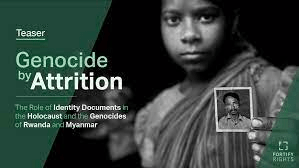
Fortify Rights will hold a panel discussion on June 8 at 08.30 am Myanmar time/ 09.00 am Thailand time to launch its latest report, “Genocide by Attrition,” on how the Myanmar junta is using identification documents to erase the Rohingya identity and facilitate genocide, mirroring tactics used in the Holocaust and Rwandan genocide.
Register here: https://us06web.zoom.us/webinar/register/WN_44g-_81PTzO3CTwmFBDXQQ.
for our calendar of events, see here.
This week in New Pubs we feature Campbell on the particular kinds of capitalism operating in Myanmar and Thailand; Meehan and Seng Lawn Dan on brokered governance in Myanmar-China borderlands; and, staying with that theme, Brenner and Tazzioli on the biopolitical goals of rebel governors.
As always, see our Recent Publications page for all of the citations and for past weeks.
Saw Eh Htoo, a Burmese academic who wrote on Burmanization, amongst other things, passed away last week. Tony Waters, his advisor at Payap University, where Saw Eh Htoo was working on a PhD, has penned the obituary below. We also include a very recent text by him just out a few months ago, an excellent examination of Burmanization policies

In Memory of Saw Eh Htoo
By Tony Waters | Professor of Sociology | Department of Peace Studies | Payap University
I was greatly saddened to hear of the death of my student Saw Eh Htoo in late May, 2022. He was a kind man, deeply concerned with both the future of Myanmar as a nation, and that of his own Karen people. He sought ways to reconcile the consciousness that was within him, that of a proud Karen Christian, while also being a lover of Burmese culture, novels, and philosophy. He was a voracious reader in three languages, and a friend to all. He was a Master’s graduate of both the Myanmar Institute of Theology, and the anthropology department Yangon University. During the period of liberalization, he worked extensively in Sittwe, seeking to integrate build peace between the Burmese Buddhists, and the Muslim Rohingya. In 2017 he also began studies at Payap University for a PhD in Peacebuilding where I was his advisor. He was near completion of his dissertation at the time he became sick, and passed away.
Saw Eh Htoo was born in the Irrawaddy Delta in the mid-1970s to rice farmers, and began life as a “cowboy” tending the family bovids, and listening to his Karen grandfather’s stories at night. A devoted Christian, he taught Saw Eh Htoo the stories of the Bible. But his grandfather also told stories of Karen history. The stories were about life under the protection of the British colonialists, fears of the Burmese, tales of brutality from the Japanese occupation, and the Karen-Burmese war of 1949-1950. He credited this with his interest in the ironies of history.
Eh Htoo was immersed in the Burmese language curriculum of Ne Win’s Burma. As a young boy, he found it strange that the history curriculum in particular told a different story than that of his grandfather. Why were the Karen presented as enemies, and why was he taunted by his fellow students for being “the enemy?”
Nevertheless, Eh Htoo learned to read in Burmese, and became quite good at it! In fact, reading Burmese action novels was to be a major vice of his youth (along with football). But as he matured, it was through this language that would study philosophy. And this tension was to feature in his future in the questions he would later ask as a PhD student, and as a writer. How do you reconcile two such very different histories into one man, and one nation?
In the mid-1980s Saw Eh Htoo moved with his father, a taxi driver, to Rangoon. Saw Eh Htoo thrived in Rangoon. He claims to have been an indifferent student, due to habits of too much football, and reading too many translated Chinese action novels. Still, ever the curious guy, he pushed forward. He studied English so he could read more philosophy, and earned a Master’s in Theology at Myanmar Institute of Theology (MIT) where he later taught, and a second Master’s, in Anthropology, at Yangon University. It was at Yangon University that he came to know the military officers who were also interested in anthropology.
Saw Eh Htoo would leverage this learning into the founding of the Kaw Lah (Green Earth) Foundation, a Yangon-based NGO in 2012 which successfully performs consulting contracts for international and national players. He was particularly adept at going into remote areas of Karen and Rakhine State, seeking to understand the lives and attitudes of remote villagers.
Saw Eh Htoo arrived at Payap University in Chiang Mai to study for the PhD degree in Peacebuilding at Payap University. I met him in my seminar in 2017-2018, and have known him since. As with a number of students from a very talented cohort, he had a deep interest in social theory, and was entranced by what the theories of Benedict Anderson had to say about Burmese and Karen nationalism. Oddly, he reveled in Max Weber’s description of bureaucratic behavior—pointing to the many bureaucrats he had known from the military.
Saw Eh Htoo’s own research interests were to come from his personal experiences as a youth growing up in Ne Win’s Burma, and the era after. Having lived as a rural and urban Karen, worked with Rohingya, and become entranced with Burmese culture, he asked how such a wonderful constellation of people could be so unfortunate in seeking peace? The more he thought about it and read, he came to believe that the much of the problems of Myanmar emerged from General Ne Win’s “Burmanization” policies of the 1960s. Burmese culture, Buddhism, and military authority were glorified under such policies, presenting others as potential enemies. This view, of course, logically led to the military being at the center of society.
As Sw Eh Htoo pointed out to me, besides removing military control, change would need to also include addressing the Burmanization curricula of the schools, youth groups, and of course the military. This enforced uniformity has resulted in a habitus of oppression and segregation, which continues today. The argument at the end of his dissertation pointed out that for peace to be achieved, the Burmanization policies would have to be reversed from the schools up, whether it was the military or NLD in power.
Saw Eh Htoo had many ideas about how all of this could be done. His enthusiasm for using academic ideas from sociology and history to bring out the best in the country he loved was infectious. He also had a great deal of faith in the capacity of his country to embrace its many elements; when he first picked me up at the Yangon airport in 2018 or so, placed carefully on the dashboard of his car were the two elements he prized in his identity: The crossed flags of Kawthoolei/KNU and the flag of Burma. Seeing these two elements together after the 2021 coup seems impossible; but for a brief time, people like Saw Eh Htoo sought to make it happen.
Saw Eh Htoo, Partial Bibliography
(2022). “Ne Win’s Echoes: Burmanization Policies and Peacebuildingin Burma Today.” In Ethnic and Religious Diversity in Myanmar Contested Identities Edited by Perry Schmidt-Leukel, Hans-Peter Grosshans and Madlen Krueger, pp. 50-69. London: Bloomsbury Books By Saw Eh Htoo.
(2021). The Fractured Centre: ‘Two-headed government’ and threats to the peace process in Myanmar. Modern Asian Studies. 56(2): 504-532. By Ardeth Maung Thawnghmung, and Saw Eh Htoo.
(2016). Small Scale Fishermen in Rakhine State. Journal of Burmese Scholarship. By Saw Eh Htoo.
Much historiography on Myanmar has taken the Doh-bama Asi-Ayoun (တို့ဗမာ အစည်းအရုံး) as an example of how a narrow Bamar nationalism suffused the country’s anti-colonial movement. But Kei Nemoto’s excellent article, appearing two decades ago in JoBS, destabilizes that conventional wisdom by suggesting that Doh-bama was more complex. Nemoto shows that “Bamar” for the Doh-Bama had a different valence: it was a term that described all the peoples of Myanmar. The distinction that mattered was whether these Burmese people were aligned with the colonists (Thudo-Bama) or were working for Burmese independence (Doh-Bama).
See here for PDFs.
Tune in next week when we post Kabya Pyetthana, a မြန်မာစာ text from the Doh-Bama era that also complicates conventional wisdoms.

 Burma Studies Group