The Strassler Center for Holocaust and Genocide Studies at Clark University, Worcester, Massachusetts, U.S.A. seeks applications to its doctoral program in Holocaust History and Genocide Studies and to its new cross-disciplinary PhD in Genocide Studies. Applications from any country are welcome. Admitted students will receive five years of full funding, including a living stipend and a research bursary of $5,000/summer.
This week’s New Pubs features Forsyth and Springate-Baginski asking “who benefits from an agrarian transition when its done under violent conflict?”; Crouch analyzes how the courts are militarized in Myanmar; and Simpson outlines new avenues for online repression post-coup.
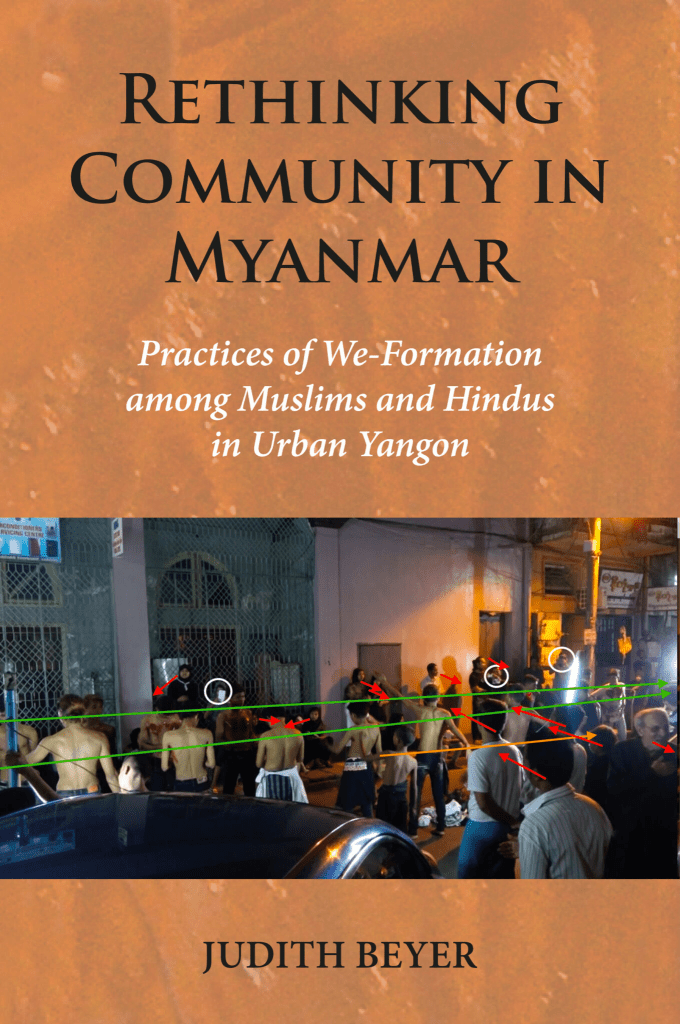
This is the first anthropological monograph of Muslim and Hindu lives in contemporary Myanmar. In it, Judith Beyer introduces the concept of “we-formation” as a fundamental yet underexplored capacity of humans to relate to one another outside of and apart from demarcated ethno-religious lines and corporate groups. We-formation complements the established sociological concept of community, which suggests shared origins, beliefs, values, and belonging. Community is not only a key term in academic debates; it is also a hot topic among Beyer’s interlocutors in urban Yangon, who draw on it to make claims about themselves and others. Invoking “community” is a conscious and strategic act, even as it asserts and reinforces stereotypes of Hindus and Muslims as minorities. In Myanmar, this understanding of community keeps self-identified members of these groups in a subaltern position vis-à-vis the Buddhist majority population. Beyer demonstrates the concept’s enduring political and legal role since being imposed on “Burmese Indians” under colonial British rule. But individuals are always more than members of groups. The author draws on ethnomethodology and existential anthropology to reveal how people’s bodily movements, verbal articulations, and non-verbal expressions in communal spaces are crucial elements in practices of we-formation. Her participant observation in mosques and temples, during rituals and processions, and in private homes reveals a sensitivity to tacit and intercorporeal phenomena that is still rare in anthropological analysis. Rethinking Community in Myanmar develops a theoretical and methodological approach that reconciles individuality and intersubjectivity and that is applicable far beyond the Southeast Asian context. Its focus on we-formation also offers insights into the dynamics of resistance to the attempted military coup of 2021. The newly formed civil disobedience movement derives its power not only from having a common enemy, but also from each individual’s determination to live freely in a more just society.
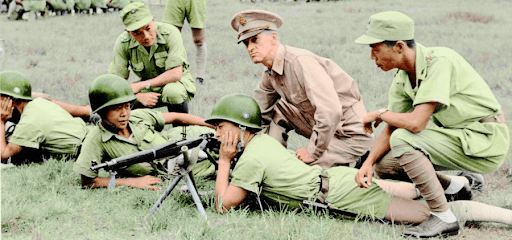
This week’s New Pubs features Mostafanezhad et al on the emotions involved in China’s BRI operations in Myanmar; Ngeow on the PLA’s pursuit of the KMT in the golden triangle 1960-61; and Croissant analyzing the survival of the praetorian state in Myanmar.
This fortnight features an article that conducts an efficient assessment of the BSPP’s socialist credentials. Authors Fenichel and Khan find a surprising amount of state absence for a so-called socialist state: “public ownership is largely absent in the dominant agricultural sector and does not affect about 80% of the labour force in industry” (821), which remained effectively in private hands. Outcomes for health and food security were not terrible, but perhaps this is because the state lacked ambition.
Fenichel, Allen, and Azfar Khan. “The Burmese way to ‘socialism’.” World Development 9.9-10 (1981): 813-824.
“Memories of Leaving the Myanmar Military” [vol 1, Aug 2022, Independent Journal of Burmese Scholarship], printed and published in Burmese and English by Wanida Press with the Regional Center for Sustainability and Development, Chiang Mai University, includes a remarkable number of contributors:
Helene Maria Kyed, Michael Charney, Moe Nyo, Nwe Oo, Yay Khal, Zwe Man, Yin Le Le Tun, Hla Min Kyaw, Aung Zaya, Thuza Lwin, Cherry, Aung Ko Ko, Aung Myo Thant, Kaung Htet Aung, Moe Zet, Master Black, Htin Shar, Phyo Win Aung, Ye Yint Thwe, Htet Naing Aung
ချင်းမိုင်တက္ကသိုလ်ရှိ Regional Center for Sustainability and Development နှင့် Wanida Press တို့ မှ ပုံနှိပ်ထုတ်ဝေသည်။ စာစောင်အပြည့်အစုံ၏ PDF ဖိုင်ကို ဤနေရာတွင် ရယူနိုင်ပါသည်။ သို့မဟုတ် ဆောင်းပါးတစ်ပုဒ်ချင်းစီ၏ PDF ဖိုင်များနှင့် HTML စာသားများ အပြည့်အစုံကို အောက်တွင် ကြည့်ရှုနိုင်ပါသည်။
This week’s New Pubs features three essays in the ANU’s Myanmar Research Center’s “New Working Paper Series”: Tin Maung Hwe on worker movements during the revolution; Saw Chit Thet Tun on PDFs and their relationship to the NLD; and Lwin MM Swe on the relationship between climate-change mitigation policies and federalism.
Join a free, public course given by NUS Assistant Professor Elliott Prasse-Freeman on the way that language (and other signs) influence behavior and politics, with special application to Myanmar issues (Burmanization in particular).
Time: Monday 5 September at 1:00pm Myanmar, and ensuring Mondays.



 Burma Studies Group