The Myanmar Mentorship program will be offered by the Council on Southeast Asia Studies at Yale University’s MacMillan Center for International and Area Studies. It invites applications from junior scholars of Myanmar (Burma) to participate in a hybrid mentorship program focused on academic research and writing. Online writing mentorship will take place over four months (twice monthly from December 2023 to March 2024) and will focus on supporting an interdisciplinary cohort of junior scholars to prepare academic or public-facing articles of 3,000 to 10,000 words. Participants will present their final articles in a week-long workshop in mid-April 2024, which will take place in a hybrid form with opportunities to participate in person at Yale University or online.
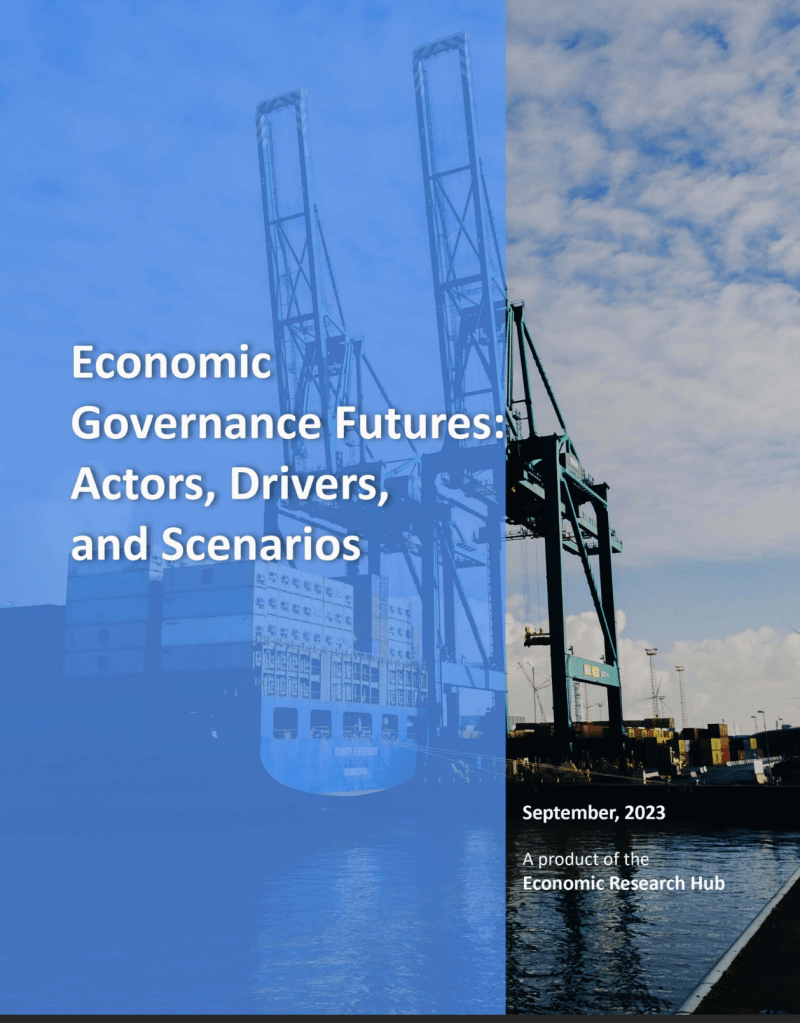
This week’s New Pubs features Habib et al on non formal education for Rohingya refugees in Bangladesh; Beyer’s explorations of Burmese Indians’ experience with community as a category of empire; and the group Economic Research Hub’s report on the future of economic governance in Myanmar.
As ever, see our Recent Publications page for all of the citations and for past weeks, and if anyone wants a PDF but is excluded by pay wall, please email us and we will help if we can.
This week’s New Pubs features Chotisut et al on border security governance in Myawaddy; Aung Kyaw Min on Aung San Suu Kyi and the Tatmadaw; and Bünte on “uncivil society” in Thailand and Burma.
As ever, see our Recent Publications page for all of the citations and for past weeks, and if anyone wants a PDF but is excluded by pay wall, please email us and we will help if we can.
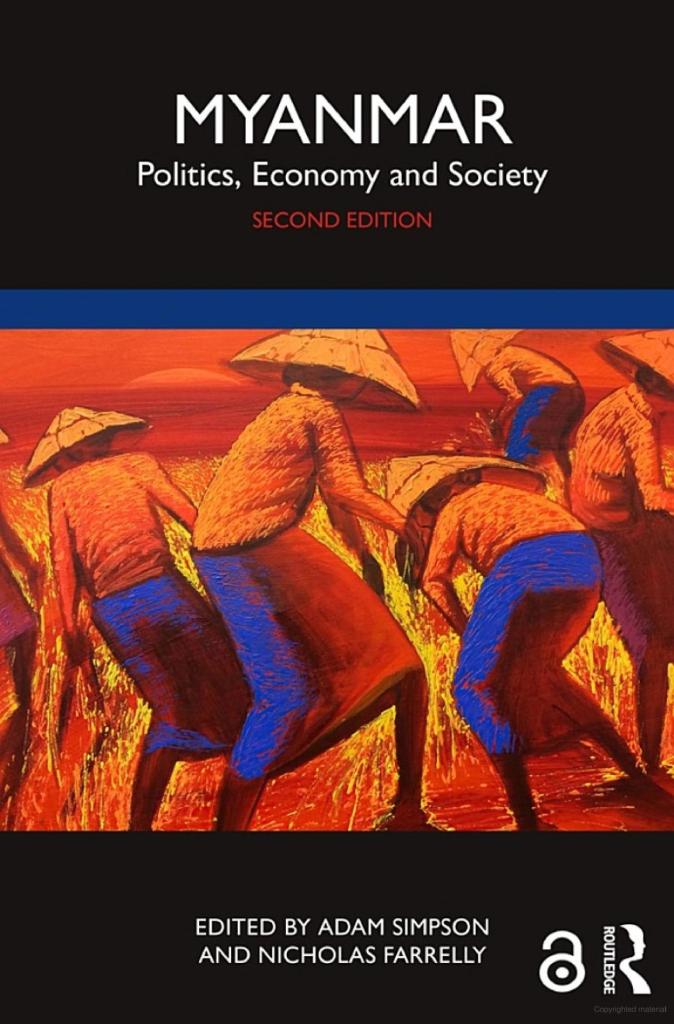
This week’s New Pubs features David et al on liberalism and illiberalism in the NLD; Modok on the role of social media in inciting genocide against the Rohingya; and the second edition of Myanmar: Politics, economy and society, with many new chapters to reflect post-coup situation.
As ever, see our Recent Publications page for all of the citations and for past weeks, and if anyone wants a PDF but is excluded by pay wall, please email us and we will help if we can.
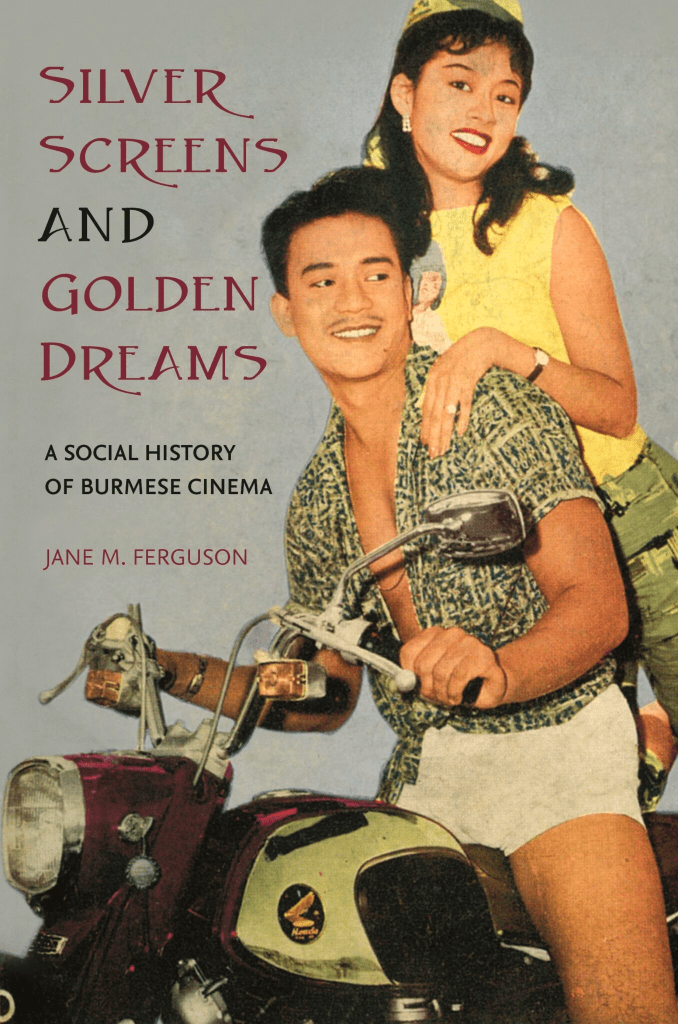
The world tends to see Myanmar (Burma) as an ancient, idyllic land of emerald-green rice paddies dotted with golden pagodas, yet sadly tarnished by a contemporary reality of grinding poverty, a decades-long civil war, and the most enduring military dictatorship in modern history. Burmese society is frequently stereotyped as isolated, hidebound to Buddhist cultural foundations, or embroiled in military rule and civil strife. Its thriving, cosmopolitan film industry not only questions such orientalist archetypes but also provides an incisive lens to explore social history through everyday popular practices. Emerging from a vibrant literary and performing arts scene, Burmese talent and ingenuity spurred a century of near-continuous motion picture production. Dozens of local film companies have churned out thousands of films, bringing to life popular folk tales, tear-jerking dramas, and epic adventures for millions of adoring fans. Even during the purportedly isolated Burmese Way to Socialism years, local movie production continued, and ticket sales even increased. Glamorous stars adopted international fashions, yet inspired Burmese cultural pride in the face of foreign economic and political domination. From silent films depicting moral perils, to Hollywood remakes, to socialist realism and ethnic unity films, locally made motion pictures have captured the imaginations of Burmese people for over a century.
In a tour-de-force study of sixty years of cinematic entertainment, Silver Screens and Golden Dreams traces the veins of Burmese popular movies across three periods in history: the colonial era, the parliamentary democracy period, and the Ne Win Socialist years. Author Jane M. Ferguson engages cinema as an interrogator of mainstream cultural values, providing political and cultural context to situate the films as artistic endeavors and capitalist products. Exploring how filmmakers eschewed colonial control and later selectively toed the ideological lines of the Burmese way to socialism, Siiver Screens and Golden Dreams offers a serious yet enjoyable investigation of leisure during difficult times of transition and political upheaval. By skillfully blending historical and anthropological approaches, Ferguson shows how Burmese cinema presents a lively, unique take on the country’s social history.
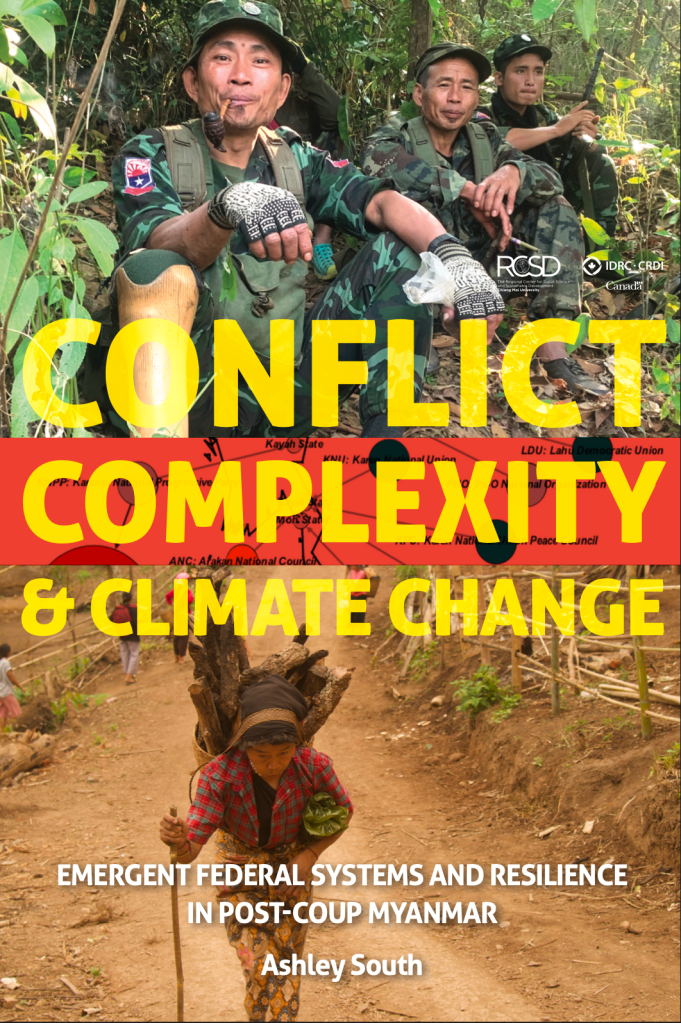
This week’s New Pubs features South’s book on Myanmar’s federalism amidst conflict, complexity, and climate change; Roy et al on “middle powers” as peacemaking entrepreneurs in Myanmar from 2011-2021; and Rogerse et al on the USA’s role in post-coup Myanmar given its concerns about China.
As ever, see our Recent Publications page for all of the citations and for past weeks, and if anyone wants a PDF but is excluded by pay wall, please email us and we will help if we can.
ABSTRACT: Educational service is one among sectors impacted by the 2021 military coup. By the end of 2022, the UN estimated that around 3.7 million children in Myanmar were left out-of-school due to the ongoing conflict. Chin state, the nation’s least developed yet most diverse region, is among the hardest-hit regions, with a quarter of its population displaced due to armed conflict. Drawing from a range of primary and secondary sources, this presentation discusses the pre-and post-coup educational landscape in Chin state. While it highlights the emergence of educational initiatives amid the political crisis, it also addresses cautionary concerns essential for the long-term peace and development of the Chin community and Myanmar. The coup led to widespread public boycotts of government schools, resulting in closures and higher dropout rates. In response, Chin communities have developed alternative education approaches, some intended just to bridge the gaps while others aimed to develop a system that includes mother-tongue-based instruction, localized curricula, and decentralized management. However, detachment from central authority poses obstacles for certificate recognition. Ongoing armed clashes and transportation blockades add to the difficulties in supplying these non-state schools and ensuring their sustainability. Further complicating matters are issues of limited coordination and competition for scarce resources among various Chin organizations, which poses challenges to sustainable peace and development in Chin state beyond the armed struggle against the junta. The discussion provides insights into the broader conflict trajectory in Myanmar, with consequences extending to neighboring regions and countries.
SPEAKER: Peter Suante hails from the Chin/Zo indigenous community in Myanmar. He holds a Ph.D. from the University of Hong Kong and is a dedicated scholar specializing in education policy, with a focus on the non-state sector. Peter is also a passionate advocate for the educational rights of marginalized and conflict-affected children. His recent publications on education in Myanmar are in the Asia Pacific Journal of Education (2022, with Mark Bray) and Paedagogica Historica (2022). Peter is in Australia as the second recipient in 2023 of a short term visiting fellowship inaugurated and jointly run by the ANU’s MRC and the Myanmar Research Network at the University of Melbourne, with support from the International Development Research Centre, Canada.
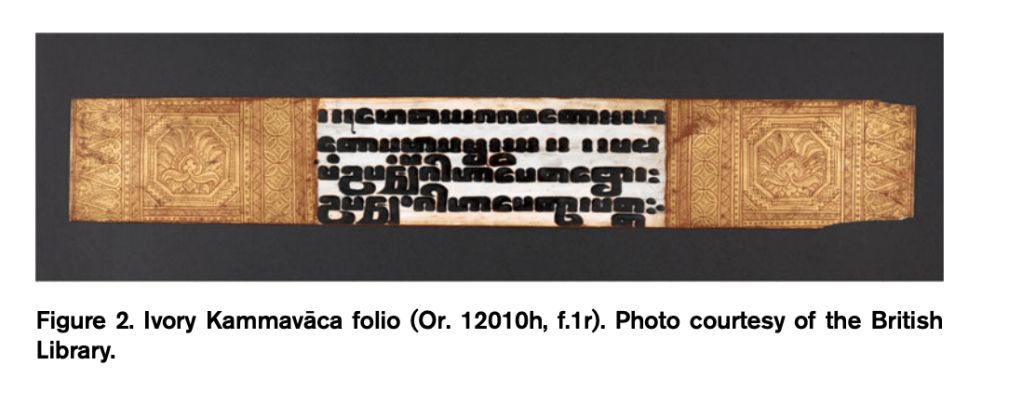
This week’s New Pubs features a volume edited by Sudo and Yamahata with articles on Myanmar by Seekins (Russia/Burma relations), Hartley (Japan/Burma relations), and Tsukamoto (Burma and Thailand’s coup-proneness); and Kaloyanides on the militarization of Burma’s most beautiful book.
As ever, see our Recent Publications page for all of the citations and for past weeks, and if anyone wants a PDF but is excluded by pay wall, please email us and we will help if we can.