The Department of Asian Studies seeks a collegial and talented colleague to support a new interdepartmental initiative to expand and connect Asian, Asian-American, and Pacific Islander Studies through Environmental Humanities lenses that emphasize the shared histories and futures of Asia/Oceania/America. Review of applications will begin January 15, 2024, and continue until the position is filled. apply here.
This week’s New Pubs features Loong on post-war (pre-coup) Karen civil society; Bell on Rohingya life in Sydney; and Faxon and Wittekind on scams in Myanmar’s digital land markets.
As ever, see our Recent Publications page for all of the citations and for past weeks, and if anyone wants a PDF but is excluded by pay wall, please email us and we will help if we can.
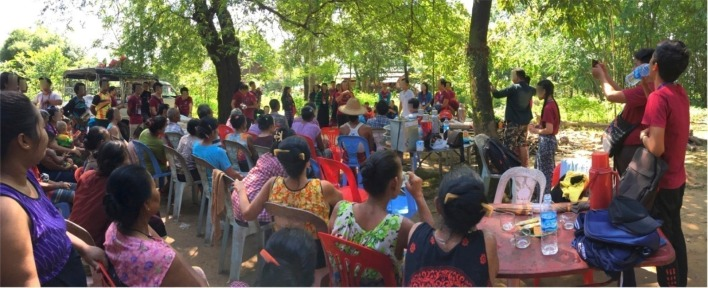
Fig. 1. As part of the community visit, BSCA students introduce themselves to villagers (source: Shona Loong).
“Belonging, Suffering and the Body of Others. Practices of ‘We-Formation‘ During Mourning Rituals Among Shia Muslims in Myanmar”
Judith Beyer (University of Konstanz) develops an existential anthropological approach towards understanding mourning practices of Shia Muslims in Myanmar. Based on long-term ethnographic fieldwork in the country’s former capital Yangon, she designates Shia mourning rituals as existential situations through which individuals come to experience themselves and others. Drawing on Jean-Paul Sartre’s theory of the body and Tine Gammeltoft’s framework of belonging as well as an ethnomethodological analysis of micro-interactions, she develops how in such existential situations a largely pre-reflective self-consciousness can lead to what she calls ‘we-formation‘ — the forming of groups that does not rely on ethno-religious or other classifications along the lines of identity, race or class.
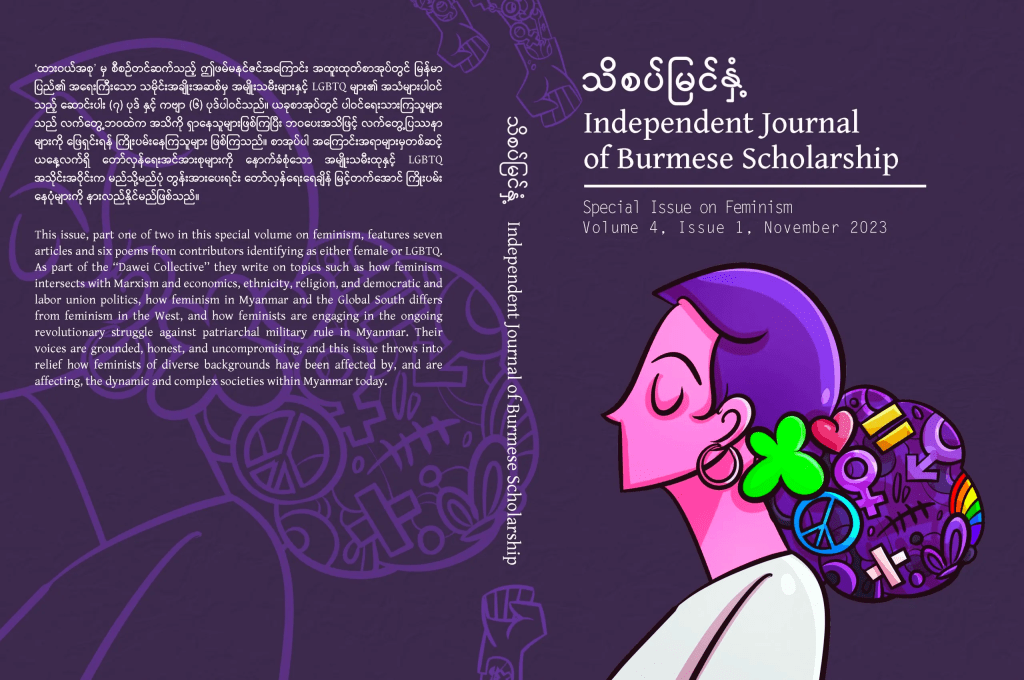
The latest issue of the Independent Journal of Burmese Scholarship has been released. It is issue one of a two-part special volume on feminism, with issue two to be released in 2024. It features two introductory articles, and seven articles and six poems from contributors identifying as either female or LGBTQ. As part of the “Dawei Collective” they write on topics such as how feminism intersects with Marxism and economics, ethnicity, religion, and democratic and labor union politics, how feminism in Myanmar and the Global South differs from feminism in the West, and how feminists are engaging in the ongoing revolutionary struggle against patriarchal military rule in Myanmar. Their voices are grounded, honest, and uncompromising, and this special issue throws into relief how feminists of diverse backgrounds have been affected by, and are affecting, the dynamic and complex societies within Myanmar today.
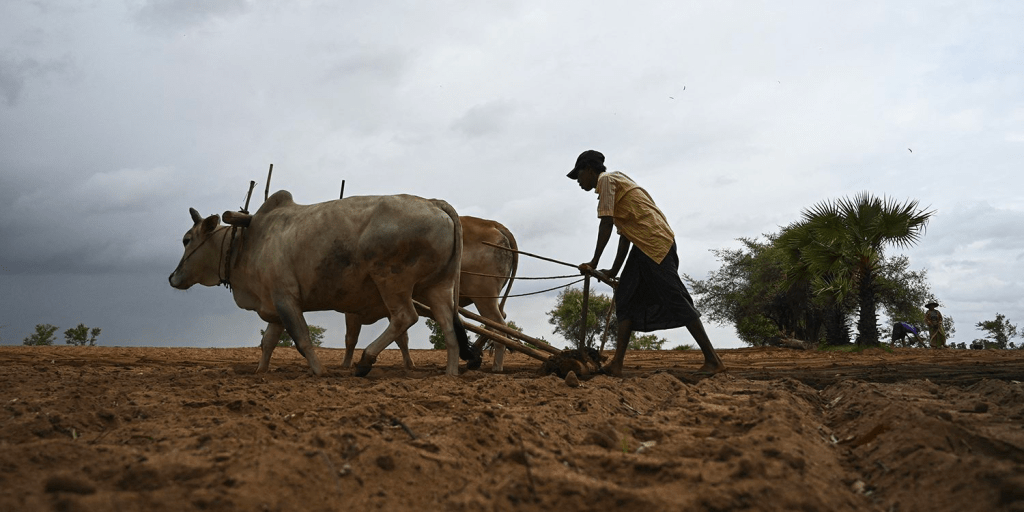
This week’s New Pubs features Ma Cheria and Cielo on understanding the current struggle of Myanmar’s farmers; Meehan and Seng Lawn Dan on opium cultivation and drug use in Myanmar/China border; and Schissler on Facebook and genocide.
As ever, see our Recent Publications page for all of the citations and for past weeks, and if anyone wants a PDF but is excluded by pay wall, please email us and we will help if we can.
The Myanmar Mentorship program will be offered by the Council on Southeast Asia Studies at Yale University’s MacMillan Center for International and Area Studies. It invites applications from junior scholars of Myanmar (Burma) to participate in a hybrid mentorship program focused on academic research and writing. Online writing mentorship will take place over four months (twice monthly from December 2023 to March 2024) and will focus on supporting an interdisciplinary cohort of junior scholars to prepare academic or public-facing articles of 3,000 to 10,000 words. Participants will present their final articles in a week-long workshop in mid-April 2024, which will take place in a hybrid form with opportunities to participate in person at Yale University or online.
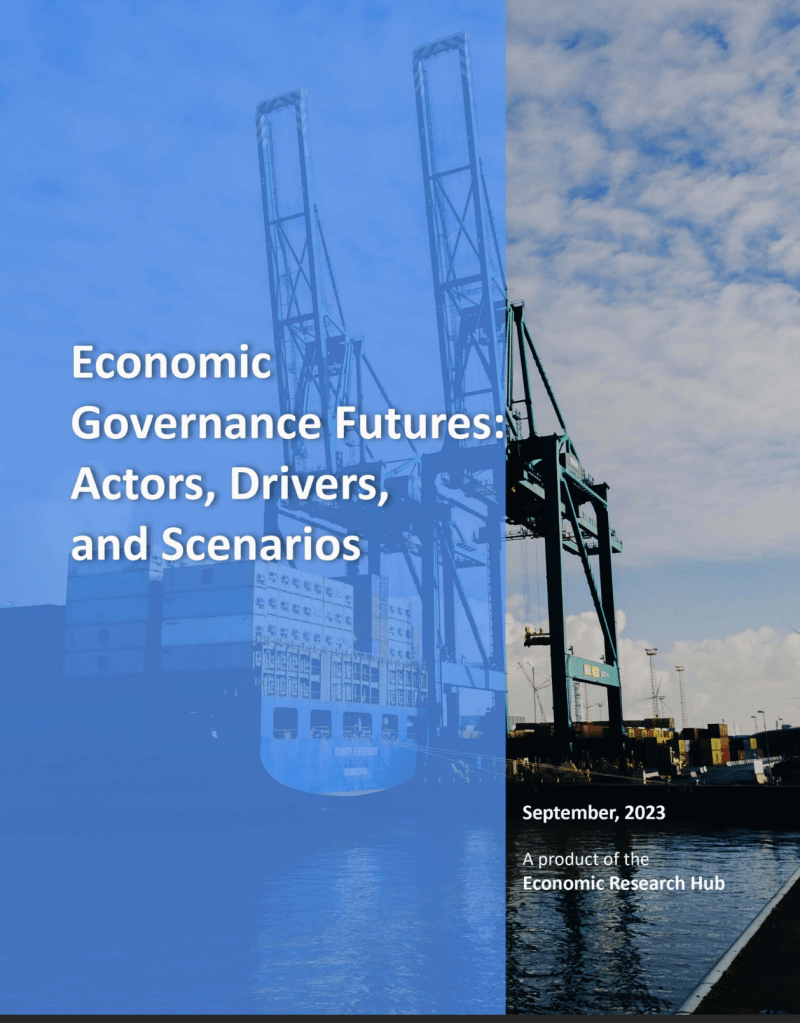
This week’s New Pubs features Habib et al on non formal education for Rohingya refugees in Bangladesh; Beyer’s explorations of Burmese Indians’ experience with community as a category of empire; and the group Economic Research Hub’s report on the future of economic governance in Myanmar.
As ever, see our Recent Publications page for all of the citations and for past weeks, and if anyone wants a PDF but is excluded by pay wall, please email us and we will help if we can.
This week’s New Pubs features Chotisut et al on border security governance in Myawaddy; Aung Kyaw Min on Aung San Suu Kyi and the Tatmadaw; and Bünte on “uncivil society” in Thailand and Burma.
As ever, see our Recent Publications page for all of the citations and for past weeks, and if anyone wants a PDF but is excluded by pay wall, please email us and we will help if we can.




 Burma Studies Group