This week’s New Pubs features Yeo on colonial sex work in Burma; Brenner on EAOs and Myanmar’s revolution; and Tran et al on pro-democracy platform advocacy in Myanmar (+ in Th and Kh).
See our Recent Publications page for all of the citations and for past weeks, and if anyone wants a PDF but is excluded by pay wall, please email us and we will help if we can.
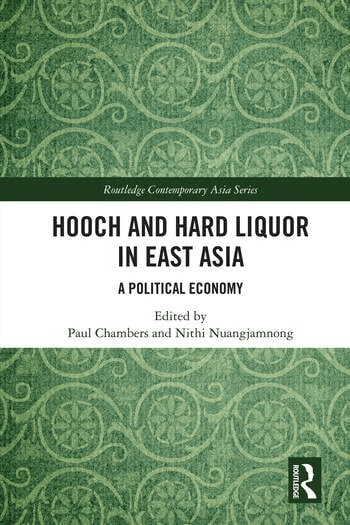
This week’s New Pubs features Corbin on homemade and industrial hooch in Myanmar; Kim and Kim on social media as a seed of connective democracy; and Tuwanont and Brehm comparing the nationalist content of two eras of Myanmar school curricula.
See our Recent Publications page for all of the citations and for past weeks, and if anyone wants a PDF but is excluded by pay wall, please email us and we will help if we can.
Burma Studies scholar Patricia Herbert passed away recently – see the obit in the Guardian here
Herbert’s study on Hsaya San rebellion [“The Hsaya San Rebellion (1930-1932) Reappraised,” Monash University Centre of Southeast Asian Studies, 1982, 1-13.] remains important for scholars to this day. Get it here and read it, if you haven’t done so yet.
This week’s New Pubs features Selth on Myanmar’s multiple counterintelligence challenges; Campbell on extortion of Myanmar migrant workers in Thailand; and Pherali et al on education in Myanmar’s conflict contexts.
See our Recent Publications page for all of the citations and for past weeks, and if anyone wants a PDF but is excluded by pay wall, please email us and we will help if we can.
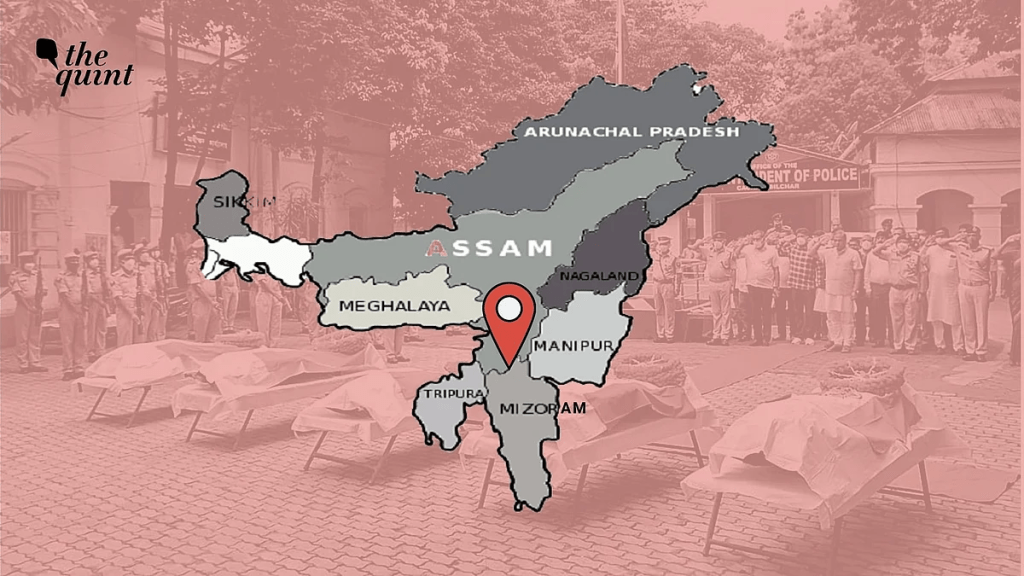
This week’s New Pubs features Hedström and Olivius on Human rights documentation in Myanmar; Roluahpuia on violence as governmentality on the Assam-Mizoram border; and Aung Myo Htun on the political economy of Myanmar-Russian state relations before and after the coup.
See our Recent Publications page for all of the citations and for past weeks, and if anyone wants a PDF but is excluded by pay wall, please email us and we will help if we can.
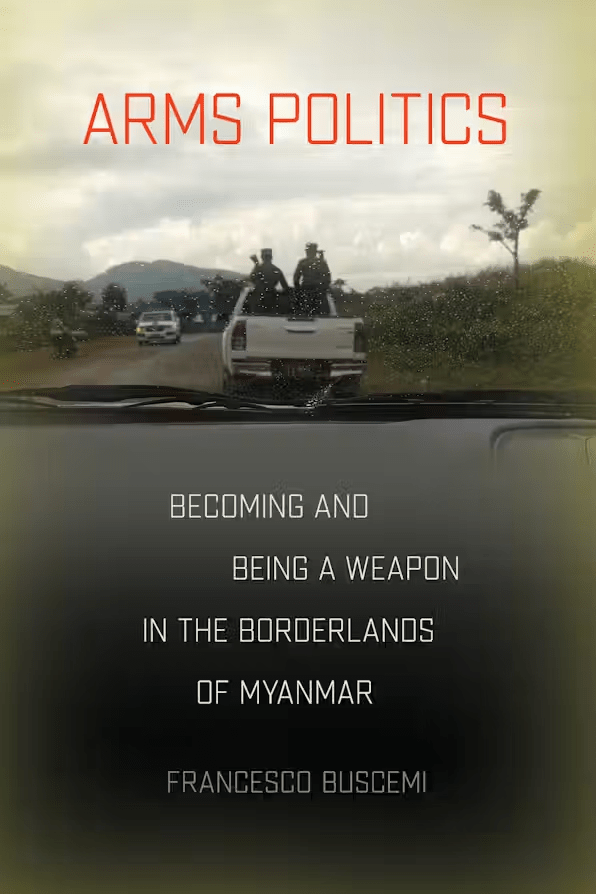
“In Arms Politics, Francesco Buscemi tells the story of the ceasefire, disarmament, and rearmament of the Ta’ang movement in Myanmar’s Shan State through an analysis of the formation of the Palaung State Liberation Front/Ta’ang National Liberation Army (PSLF/TNLA). With a focus on the circulation of weapons through the post-1991 ceasefire, disarmament, and rearmament years, Buscemi explores how “becoming and being” an armed force leads to the “becoming and being” of a rebel polity. Buscemi argues that the governance of arms and weaponry by rebel movements such as the PSLF/TNLA shapes historically and spatially complex relationships among leadership, rank-and-file, civilians, and civil society groups. Furthermore, he demonstrates that it is through the acquisition of weapons and the governing of armed collectives that rebel movements reproduce and shape the collective identity of their polity and its political geography. Against the backdrop of the world’s longest ongoing armed conflict, Arms Politics shows how the processes and practices of governing weapons shape social and spatial relations of rule at the edges of state authority.”
This week’s New Pubs features Brooten and Ashraf on parachute journalism in Myanmar (and Afghanistan); Loong on war in the Salween Peace Park; and Metro on Myanmar refugee youth experiences in higher education.
See our Recent Publications page for all of the citations and for past weeks, and if anyone wants a PDF but is excluded by pay wall, please email us and we will help if we can.
This week’s New Pubs features Décobert on healthcare, solidarity, and moral community in revolutionary Myanmar; Ganesan on China/Myanmar bilateral relations; and Vrieze on the resistance coalition that is challenging the junta.
See our Recent Publications page for all of the citations and for past weeks, and if anyone wants a PDF but is excluded by pay wall, please email us and we will help if we can.
This week’s New Pubs features Stella Naw and Jenny Hedström in conversation about feminism in the spring revolution; Hossain et al on how Rohingya navigate ‘bare life’ in the camps; and Wang et al on Myanmar migrant workers in China’s sugarcane sector.
See our Recent Publications page for all of the citations and for past weeks, and if anyone wants a PDF but is excluded by pay wall, please email us and we will help if we can.
‘In Reproducing Revolution, Jenny Hedström explores the Kachin revolution in Myanmar from the perspective of female soldiers, female activists, and women displaced by the violence in northern Myanmar. Hedström argues that the household is an inherently gendered, militarized, and political space that impacts, and is in turn impacted by, the external conflict with which it coexists. In this context, women’s everyday labor—the gendered work of childcare, farming, fighting, and forging connections both across households and between the household and the army and the nation—is key to revolutionary survival. Hedström calls this labor militarized social reproduction, and in Reproducing Revolution she demonstrates that such labor is critical to the military effort, and that warfare itself is shaped through everyday domestic action.’